
The Evolving Landscape of Work: Navigating the Impact of Artificial Intelligence
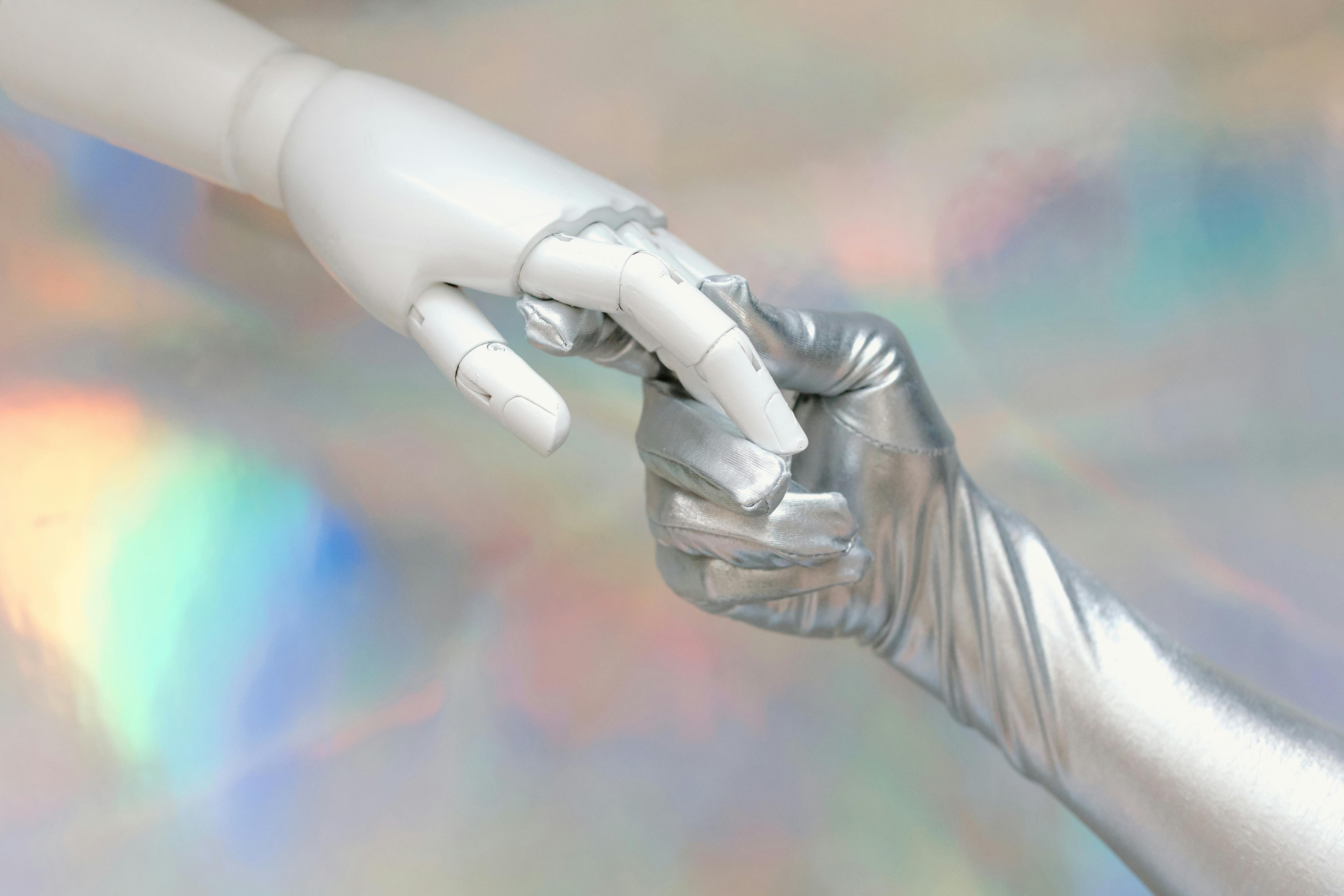
artificial Intelligence (AI) is no longer a concept confined to science fiction; it is a present reality rapidly reshaping the global employment landscape. As AI technologies advance, their integration into various business processes is leading to significant changes in how work is performed, the skills required, and the very nature of many occupations. This transformation presents both unprecedented opportunities for increased productivity and efficiency, as well as considerable challenges related to job displacement and the need for workforce adaptation.
Understanding the Scope of AI’s Influence
AI’s impact on the workforce is multifaceted, extending beyond simple Automation of repetitive tasks. It involves augmenting human capabilities, improving accuracy, and driving innovation across a wide array of industries. While some roles are indeed vulnerable to automation, others are being enhanced, and entirely new job categories are emerging. The key to navigating this evolving environment lies in understanding the nuances of AI’s capabilities and its specific applications within different professional domains.
Microsoft’s Comprehensive Analysis of AI Vulnerability
The Foundation of the Study: Real-World AI Usage
A significant study conducted by Microsoft offers a data-driven perspective on which jobs are most susceptible to AI automation. Unlike purely theoretical assessments, this research is grounded in the analysis of over 200,000 anonymized user interactions with Microsoft’s Bing Copilot and other generative AI tools within enterprise settings. This real-world usage data allows for a more accurate measurement of AI’s current capabilities and its overlap with various job activities. By mapping these interactions to established job classification systems, researchers were able to assign an “AI applicability score” to numerous occupations, indicating the degree to which AI tools are being used to assist or automate core job tasks.
Methodology: The AI Applicability Score
The core of Microsoft’s research lies in its “AI applicability score.” This metric quantifies the extent to which the tasks and activities inherent in a particular job role can be performed or augmented by current AI technologies. Occupations with higher scores are those where AI tools are frequently utilized to assist with or automate key responsibilities. Conversely, jobs with lower scores involve tasks that AI currently struggles to replicate, often due to their reliance on physical dexterity, complex human interaction, or nuanced decision-making in unpredictable environments.
Occupations Facing the Highest Risk of AI Automation
Top Tier Vulnerability: Language and Information Processing. Find out more about Artificial Intelligence To Replace You.
The study highlights that jobs heavily reliant on language, communication, and information processing are among the most vulnerable to AI automation. These roles often involve tasks such as translation, writing, research, data analysis, and content creation, areas where generative AI has demonstrated significant capabilities. The ability of AI to process vast amounts of text, generate coherent content, and synthesize information rapidly makes these professions prime candidates for AI integration and automation.
Interpreters and Translators
Occupations such as interpreters and translators are identified as being at the forefront of AI’s impact. The continuous advancements in natural language processing and machine translation software allow AI to perform translation and interpretation tasks with increasing accuracy and speed, potentially reducing the need for human intervention in many contexts.
Writers, Editors, and Authors
Similarly, roles involving writing, editing, and content creation, including authors and journalists, are also highly susceptible. AI tools can now generate articles, marketing copy, and even creative writing pieces, raising questions about the future demand for human writers in certain capacities.
Historians and Researchers
The work of historians and researchers, which often involves sifting through vast archives of information and synthesizing findings, is also seen as having high AI applicability. AI can expedite the process of data gathering, analysis, and report generation, potentially altering the traditional workflows of these professions.
Sales Representatives and Customer Service Roles
Sales representatives, particularly those whose roles primarily involve providing and communicating information, and customer service representatives are also flagged as being at high risk. AI-powered chatbots and virtual assistants are increasingly capable of handling customer inquiries, providing product information, and even completing sales transactions, thereby automating many of the core functions of these roles.
Administrative and Office Support. Find out more about explore Microsoft Report Lists Jobs Most Vulnerable To.
Furthermore, jobs within the “computer and mathematical” and “office and administrative support” categories show a high degree of AI applicability. This includes roles like administrative assistants, data entry clerks, and receptionists, whose tasks often involve routine data processing, scheduling, and communication management, all areas where AI excels.
Telemarketers and Call Center Staff
Telemarketers and call center staff are also identified as being at significant risk. The scripted nature of many telemarketing calls and the repetitive tasks involved in basic customer support can be effectively managed by AI-driven voice tools and chatbots, leading to potential automation.
Other Vulnerable Professions
The study also points to other professions with high AI applicability, including travel agents and ticket clerks, CNC tool programmers, radio DJs, and broadcast announcers, reflecting AI’s growing capacity to handle structured communication, content generation, and specialized technical tasks.
Professions Least Affected by AI Automation
The Resilience of Manual Labor and Human Interaction
In stark contrast to the high-risk professions, the study identifies occupations that require significant physical labor, specialized manual skills, direct human interaction, or operation of complex machinery as being least vulnerable to AI automation. These roles often involve dexterity, empathy, critical on-the-spot problem-solving in dynamic physical environments, or a high degree of interpersonal connection, qualities that AI currently struggles to replicate effectively.
Healthcare Support and Caregiving Roles
Professions such as nursing assistants, home health aides, and other direct care providers are among those least likely to be automated. The empathetic nature of caregiving, the need for physical touch and personal connection, and the ability to respond to unpredictable human needs make these roles highly resistant to AI replacement.
Skilled Trades and Manual Labor
Occupations in skilled trades and manual labor, including construction laborers, roofers, industrial welders, machine operators, and those involved in maintenance and repair, also show low AI applicability. These jobs often require physical dexterity, spatial reasoning, and the ability to work in diverse and often challenging physical environments, which are difficult for current AI and robotics to master.
Operators of Physical Systems and Machinery
Furthermore, roles such as dredge operators, bridge and lock tenders, water treatment plant operators, and those involved in operating heavy machinery or complex physical systems are considered relatively safe. These positions often require direct interaction with physical infrastructure and machinery in real-world, often unpredictable, conditions.
Embalmers and Funeral Service Workers
Even specialized roles like embalmers, which require a unique blend of technical skill and sensitive human interaction, are noted as being less susceptible to AI automation.
Other Low-Risk Occupations
Other professions identified as having low AI applicability include those in specialized technical fields requiring unique physical manipulation, such as tire builders, and certain operational roles like gas compressor and pumping station operators, highlighting the continued importance of human physical presence and direct interaction with the physical world.
Broader Implications and Future Outlook
The Shift in Skill Demand: Upskilling and Reskilling Imperative
The transformative impact of AI on the job market underscores the critical need for upskilling and reskilling the workforce. As AI automates routine tasks, the demand for skills that complement AI capabilities—such as critical thinking, creativity, emotional intelligence, complex problem-solving, and digital literacy—is expected to rise significantly. Both individuals and organizations must invest in continuous learning to adapt to the changing demands of the workplace and to remain competitive in an AI-augmented future.
AI as an Augmentation Tool, Not Just a Replacement
It is crucial to recognize that AI’s role in the workplace is not solely about replacement. In many instances, AI serves as a powerful tool to augment human capabilities, improve efficiency, and free up workers to focus on more complex, strategic, and creative aspects of their roles. This human-machine collaboration can lead to enhanced productivity and innovation, creating a synergistic relationship where AI handles data-intensive or repetitive tasks, while humans provide oversight, judgment, and creative input.
Economic Growth and Job Creation Potential
While concerns about job displacement are valid, many analyses suggest that AI and automation will also be significant drivers of economic growth and job creation. By increasing productivity and enabling new business models, AI has the potential to create new types of jobs and industries that do not yet exist. Projections indicate a net gain in jobs globally, albeit with significant shifts in the types of roles available and the skills required.
Navigating the Transition: Strategies for Individuals and Organizations
Successfully navigating this period of transition requires proactive strategies from both individuals and organizations. Individuals need to embrace lifelong learning, develop adaptable skill sets, and remain open to evolving career paths. Organizations, in turn, must invest in employee training and development programs, foster a culture of adaptability, and strategically integrate AI to augment their workforce rather than simply replace it. Policymakers also play a vital role in creating supportive frameworks, including education reform and social safety nets, to ensure a smooth and equitable transition for all.
The Future of Work: A Human-AI Partnership
The overarching trend points towards a future where human workers and AI collaborate closely. The most successful organizations and individuals will be those that can effectively leverage AI as a partner, enhancing human potential and driving innovation. The key lies not in resisting technological advancement, but in understanding its implications and adapting to build a future of work that is both productive and inclusive.