The Evolving Automotive Landscape: What’s New in 2025 and Beyond?
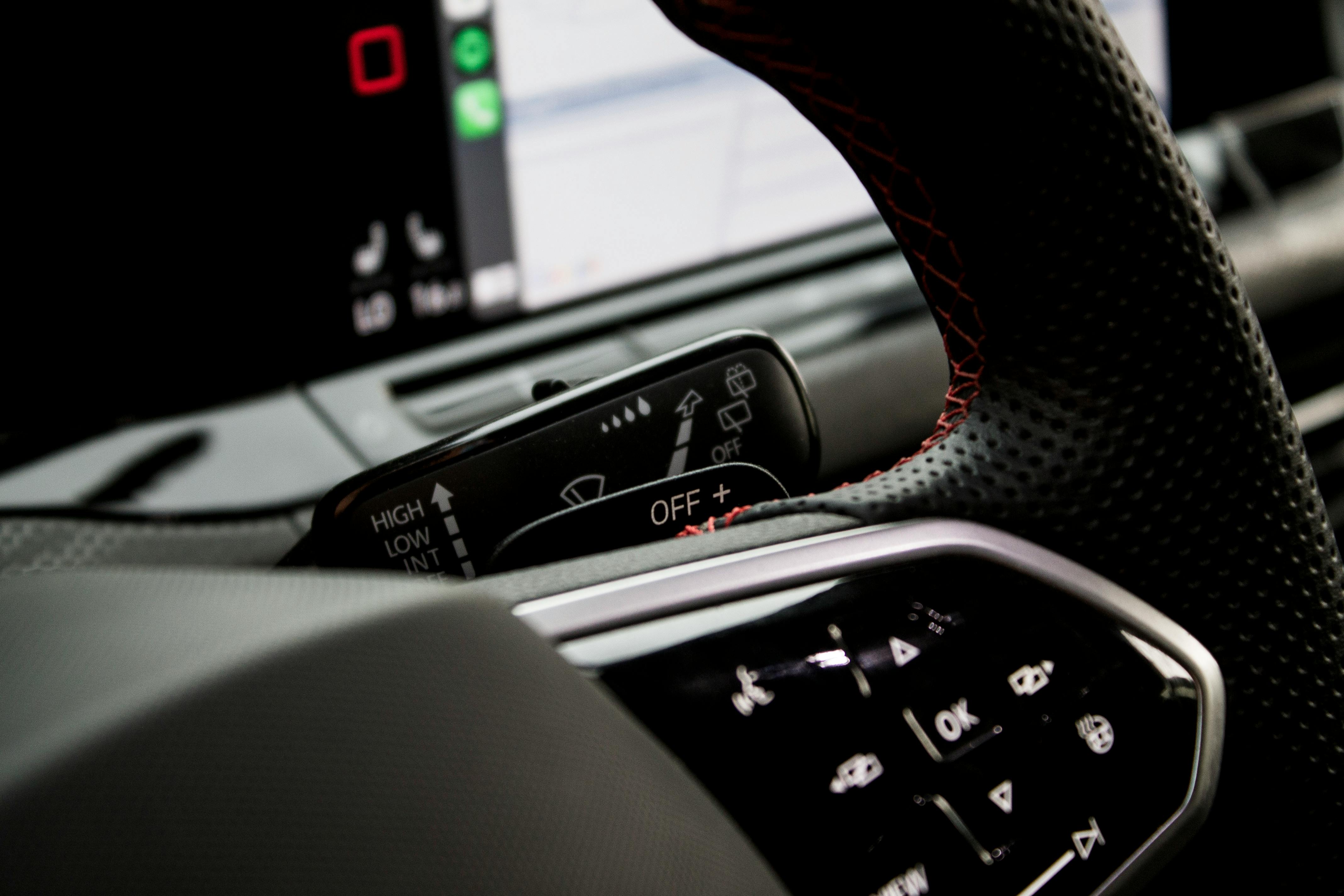
The car world’s really changing, isn’t it? It’s not just about getting from A to B anymore. Cars are becoming super smart, connected, and basically, like little computers on wheels. As we’re in 2025, a bunch of cool tech is coming together to make driving safer, more fun, and just plain better. Think efficiency, being green, and making sure everything digital is smoothly part of the car, from how it’s made to how you use it. These aren’t just small tweaks; it’s a whole new way we’ll be getting around.
Intelligent Mobility: AI is Leading the Charge
Artificial Intelligence, or AI, isn’t some far-off sci-fi thing in cars anymore. It’s actually behind a lot of the big leaps the industry is making. AI can crunch tons of data, learn from what it sees, and make smart choices super fast. This is making cars safer, making factories run smoother, and making the time you spend inside your car way more enjoyable.
AI-Powered Safety and Driver Help
AI is seriously boosting those Advanced Driver-Assistance Systems (ADAS) we’re seeing more of. You know, like when your car warns you if you’re drifting out of your lane, or how adaptive cruise control keeps a safe distance from the car in front? Automatic emergency braking and parking help are getting smarter too. These AI systems use info from cameras, radar, and sensors to help drivers make better choices, avoid crashes, and park like a pro. The cool part is, AI lets these systems learn from real driving, so they get better at spotting things and making decisions over time.
Your Car, Your Personalized Space with AI
It’s not just about safety, though. AI is turning your car’s interior into a place that’s all yours. AI can learn how you like things – your seat position, the temperature, what music you want to hear – and set it all up automatically. Plus, those voice assistants powered by AI make it super easy to control things without taking your hands off the wheel or your eyes off the road. Just talk to your car!
AI in How Cars Are Made
AI isn’t just in the car when you drive it; it’s involved in making it too. AI is making factory floors more efficient with robots and automation, helping catch any little flaws, and making assembly lines work better. AI-powered vision systems are used to spot tiny defects, ensuring every car is built with great quality. And get this, AI is also key for predicting when parts might need replacing before they break, and it helps manage the flow of parts needed for repairs. Pretty neat, huh?
The Connected Car: A Web of Smartness
Having your car connected is a huge deal now. It’s turning cars into key parts of a bigger digital world. Connected cars use the Internet of Things (IoT) to talk to other cars, to the roads themselves, and to the internet. This means better safety, more convenience, and everything running more smoothly.
Talking to Everything: V2X Communication
Vehicle-to-Everything, or V2X, lets cars share real-time info with everything around them. That means talking to other cars (V2V), people walking (V2P), and even traffic lights and signs (V2I). This constant sharing of data makes roads safer by warning you about dangers, traffic jams, or bad road conditions. V2X also helps traffic move better, cuts down on pollution, and can even make finding and using electric car chargers easier by telling you which ones are available.
Updates on the Go: Over-the-Air (OTA)
Over-the-Air (OTA) updates are changing how cars are maintained and how they work, kind of like how your phone gets software updates. These wireless updates let car companies send software and fixes straight to your car. This means you don’t have to go to the dealership as often, saving you time and money. Plus, your car always has the latest safety and performance upgrades. OTA updates can cover everything from your entertainment system to how the engine or electric battery works.
More Than Just Music: Infotainment and Your Experience
Car entertainment systems are getting seriously advanced, offering way more ways to connect and have fun. Being able to use your phone with things like Apple CarPlay and Android Auto is becoming standard, letting you use your phone’s apps right on the car’s screen. Looking ahead, we’re going to see bigger, sharper screens, AI that understands your voice better, and a big focus on keeping these systems safe from hackers.
Augmented Reality: Adding a Layer of Smartness to Your Drive
Augmented Reality, or AR, is becoming a really cool way to make driving safer and even change how you buy a car. By showing digital information right on top of what you see in the real world, AR gives drivers helpful info in a way that makes more sense. It’s like having a smart guide right there with you.
AR for Getting Around and Spotting Danger
AR-powered Head-Up Displays (HUDs) show you important driving info, like directions, your speed, and potential dangers, right on your windshield. This means you can keep your eyes on the road, know what’s happening around you better, and react faster. AR can point out upcoming turns, street names, and even things like potholes or people crossing, especially when visibility isn’t great.
AR in Car Design, Selling, and Learning
AR isn’t just for when you’re driving; it’s changing how cars are made and sold too. Mechanics can use AR for cool training and get visual instructions while they’re putting cars together or fixing them, making things quicker and with fewer mistakes. When you’re buying a car, AR lets you see 3D models of vehicles, change the colors and features, and even take virtual test drives. It really bridges the gap between looking online and actually seeing a car.
Your Unique Self: Biometrics for Security and Personalization
Biometric technology is starting a new chapter for car security and making your car experience truly yours. By using your unique body features, biometric systems offer a super secure and easy way to get into your car and start it, instead of fumbling for keys.
Better Security with Biometric Access
Fingerprint scanners, face recognition, and even eye scans are being built into cars to provide secure access and starting. These systems make sure only the right people can drive the car, making theft and unauthorized use much harder. Your biometric data is almost impossible to copy, making it much safer than old-fashioned keys.
Personalization Made Easy with Biometrics
Beyond just security, biometrics allow for a driving experience that’s totally personalized. Once you’re identified, your car can automatically adjust the seat, the climate control, the music, and all the driver assistance settings to exactly how you like them. This smooth way of setting things up makes every drive more comfortable and convenient for whoever is driving.
Going Green: Eco-Friendly Materials and Engines
Being environmentally friendly is a huge focus for car companies. This is driving new ideas for materials, how cars are made, and what powers them.
Earth-Friendly Materials in Cars
Car makers are using more sustainable and recycled materials in their vehicles. This includes things like natural fibers such as hemp, bamboo, and flax in the car’s interior. Recycled metals like aluminum and steel are also being used more. And bioplastics made from plants are becoming popular for interior parts, meaning less reliance on oil and more of a circular economy. These materials aren’t just good for the planet; they also make cars lighter, which helps with fuel efficiency.
Electric Cars Are Taking Over
The move towards electric vehicles (EVs) is picking up speed, thanks to worries about the environment and better battery tech. Batteries that last longer, charge faster, and are becoming more affordable are making EVs a real option for more people. New battery technologies, like solid-state batteries, are promising even more energy and quicker charging.
Driver Assistance: The Road to Self-Driving
Those Advanced Driver-Assistance Systems (ADAS) we talked about are not only making driving safer and easier now, but they’re also the groundwork for cars that can drive themselves in the future.
How ADAS Features Are Evolving
ADAS includes a whole bunch of features meant to help drivers. Think lane keeping, cruise control that adjusts speed, automatic braking, blind-spot warnings, and self-parking. With AI and machine learning, these systems are getting smarter. They can understand complex sensor data and react quickly to potential dangers. It’s really impressive how far they’ve come.
The Journey to Autonomous Driving
ADAS is a really important step on the way to fully self-driving cars. As these systems get more advanced, they’re gradually giving cars more control, making the driving experience smoother and less tiring for us. Moving from cars that offer partial automation to those with higher levels of self-driving is a major goal for the industry right now. It’s an exciting time to see this unfold.
Software is King: The Rise of Software-Defined Vehicles (SDVs)
The car industry is really embracing the idea of software-defined vehicles, or SDVs. This means a lot of what a car does is controlled by its software. This approach makes cars more flexible, allows for constant updates, and means cars can actually get better over time.
Flexibility and Constant Upgrades Through Software
SDVs allow car makers to bring out new features and performance improvements through those OTA updates we mentioned. This keeps cars current and competitive throughout their life. This software-first approach also makes it easier to add new technologies and create a more personalized experience for you, the driver. It’s like your car keeps getting new superpowers!
Conclusion: Driving into the Future of Mobility
The car world in 2025 and beyond is all about fast tech changes, a big push for sustainability, and creating smart, connected, and personal ways to get around. From AI and AR making their mark to biometrics keeping things secure and the green push for electric cars and eco-friendly materials, the industry is set for a future where cars are more than just transport. They’re becoming smart extensions of our digital lives. The way these technologies keep changing promises a driving experience that’s safer, more efficient, and just plain more engaging for everyone on the road.