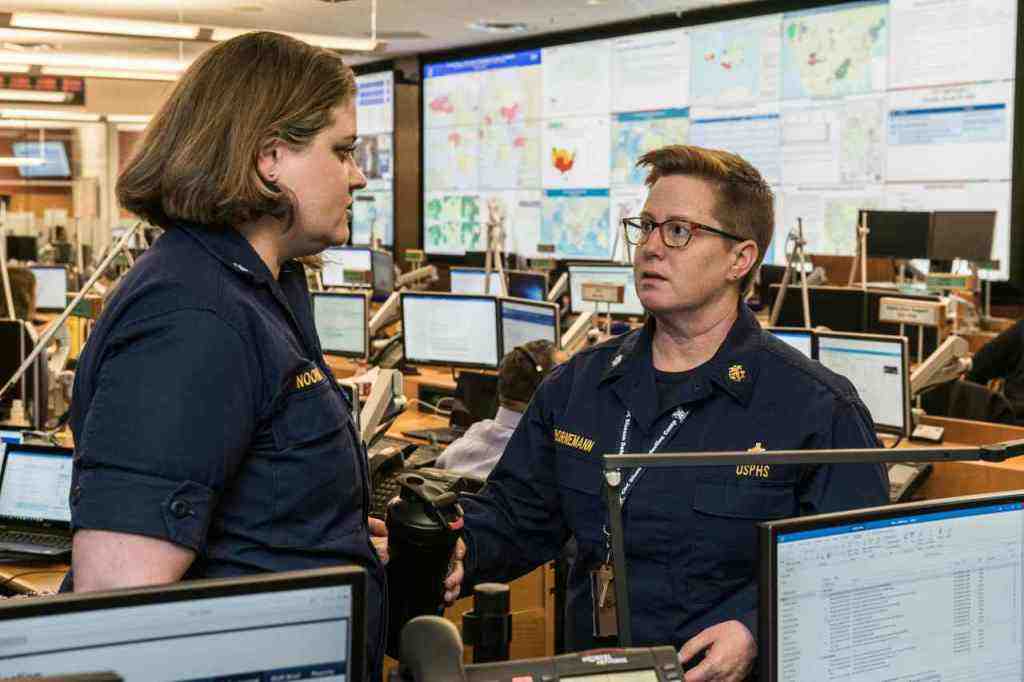
Command and Control Centers: Evolving with Technology for a Smarter, Safer Tomorrow
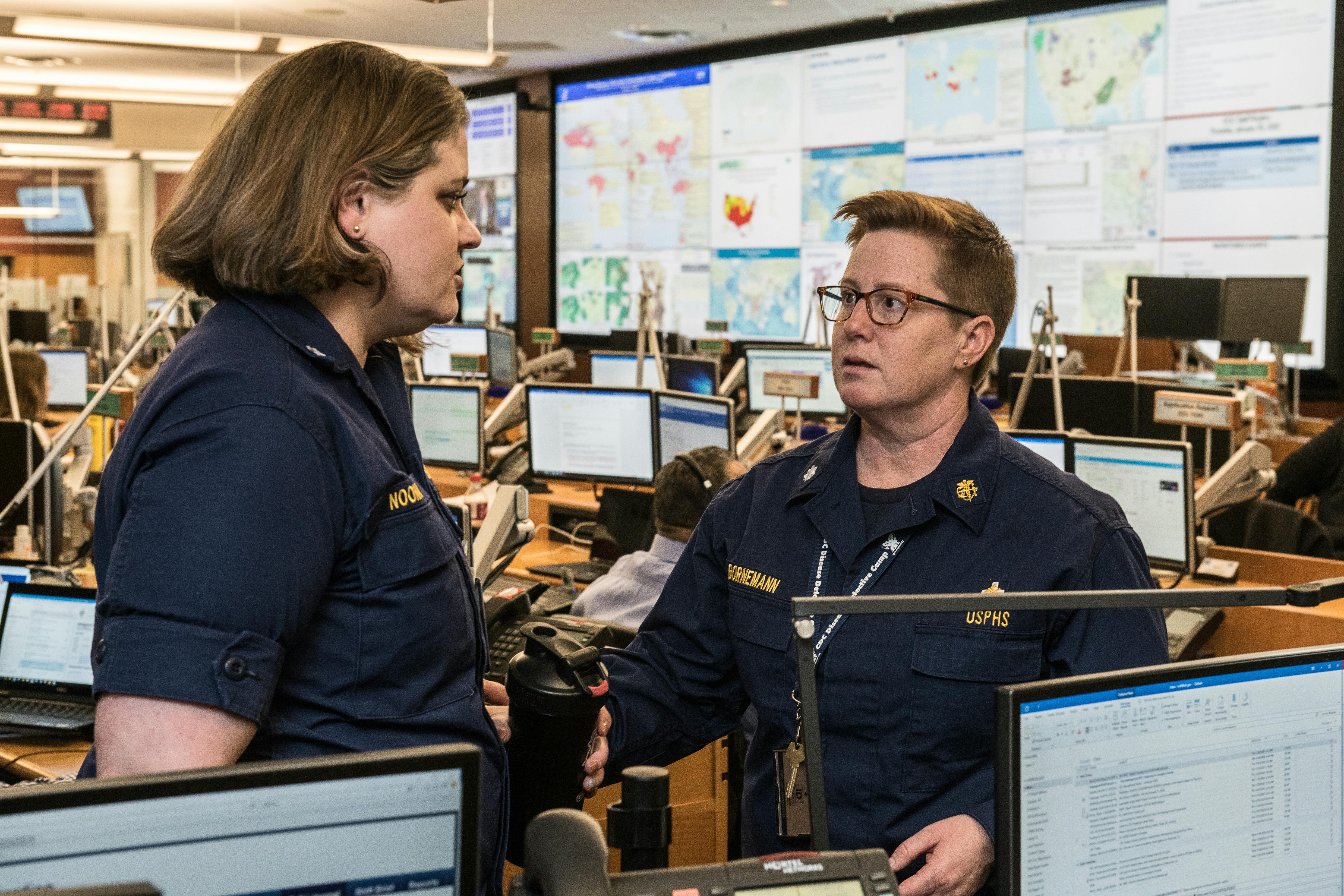
In today’s hyper-connected world, where information flows faster than ever and operational complexities are on the rise, command and control (C2) centers have become the undisputed nerve centers of modern operations. Think of them as the sophisticated brains behind the brawn, orchestrating everything from public safety responses to critical infrastructure management. These aren’t just rooms with screens anymore; they’re dynamic environments where data is transformed into actionable intelligence, enabling real-time decision-making and seamless collaboration. The market for these vital solutions is booming, projected to grow from $31.5 billion in 2023 to a staggering $57.6 billion by 2033, highlighting the immense opportunities for those who understand this evolving landscape.
The Tech Revolution: How Command Centers are Getting Smarter
The technology powering today’s command and control centers is a far cry from the clunky equipment of yesteryear. We’re talking about sophisticated, integrated systems designed to boost operator efficiency and provide unparalleled situational awareness.
Visualizing Success: High-Definition Display Systems
One of the most dramatic shifts we’re seeing is the widespread adoption of high-definition video walls and advanced display technologies. These aren’t just for show; they’re crucial for presenting complex data streams in a way that’s both clear and easy to digest.
LED Video Walls: The New Standard for Real-Time Data
LED video walls are taking center stage, offering incredible resolution, energy efficiency, and the ability to display multiple data streams simultaneously. They’re customizable and scalable, fitting into any command center size, and their superior brightness ensures that critical information is visible from anywhere in the room. Direct-view LED technology, in particular, has become more cost-effective and higher performing, making narrow-pitch LED displays the go-to for modernizing older setups. These displays are essential for getting those crucial, real-time visual insights from operational metrics, security footage, and live data feeds.
Seamless Data Integration: A Unified Operational Picture
Modern command centers need to pull information from all sorts of places – think surveillance systems, data analytics platforms, and communication networks. LED displays that can seamlessly integrate these diverse data streams into a single visual platform are key to providing that all-important holistic operational view. Data visualization tools are essentially translating raw information into understandable operational pictures, allowing operators to react quickly and effectively when things get critical. These platforms also give operators the power to access data from various sources and integrate with touch panels, video walls, and collaborative displays, putting total control right at their fingertips.
The AI Advantage: Smarter Analytics and Automation
Artificial Intelligence (AI) and Machine Learning (ML) are rapidly changing the game in command and control. They’re automating tasks, sharpening analytical capabilities, and making decision-making processes much more effective. . Find out more about command and control center technology trends.
AI-Powered Analytics: Predicting and Preventing Issues
AI allows command centers to process and analyze massive datasets in real-time. This means automating tasks like threat detection, anomaly identification, and system diagnostics. AI algorithms can even predict potential problems before they escalate, giving organizations the foresight needed to prevent operational disruptions. In cybersecurity operations centers, for example, AI algorithms scrutinize network traffic patterns to spot anomalies and predict cyber threats, learning from historical data to continually refine their analytical skills. AI helps staff identify trends, forecast potential outcomes, and assess risks, leading to better resource allocation and more effective action planning.
Automating the Routine: Freeing Up Human Expertise
Automation streamlines those repetitive, routine processes, freeing up human operators from tasks that are prone to error. In defense command centers, automated systems are adept at sifting through vast data streams, identifying potential threats and anomalies, which speeds up decision-making significantly. We’re even seeing AI-powered virtual operators capable of autonomous decision-making, which is a real paradigm shift in security monitoring.
Connecting Teams: Unified Communication and Collaboration
Effective command and control hinges on smooth communication and collaboration among teams, whether they’re working together internally or with external partners. Unified communication platforms are designed to support both, ensuring that critical information flows efficiently and keeping everyone coordinated across distributed locations for faster decision-making.
The Immersive Future: VR and AR in Command Centers
Emerging technologies like Virtual Reality (VR) and Augmented Reality (AR) are starting to make their mark in command and control environments, offering enhanced situational awareness and immersive training modules. VR headsets, for instance, can provide operators with discreet access to sensitive information or allow them to visualize complex data in a more engaging way.
Key Trends Shaping the Future of Command and Control
Beyond the specific technologies, several overarching trends are influencing how command and control centers are designed, how they function, and the very paradigms they operate under.
The Human Element: Prioritizing Operator-Centric Design. Find out more about LED video walls for command centers guide.
There’s a growing emphasis on putting the operator at the heart of the design process, focusing on user experience, comfort, and overall well-being. This human-centric approach aims to boost performance by ensuring systems are intuitive and operator-friendly, rather than forcing operators to adapt to the systems.
Ergonomics and Operator Well-being: Comfort for Peak Performance
Ergonomics plays a critical role in command and control center design, directly impacting operator performance and health. Ergonomically designed workstations, chairs, and furniture are essential for supporting operator comfort and mobility during long, demanding shifts. Adjustable sit-to-stand consoles, for example, can significantly reduce back pain and fatigue by allowing operators to switch between sitting and standing positions. Proper lighting and acoustic treatment are also vital for operator well-being and performance, with lighting ideally being soft, uniform, and calming, and acoustics being neutral to minimize distractions.
Situational Awareness and Data Management: Seeing the Whole Picture
Enhancing situational awareness is a primary objective for C2 centers, driven by the need to process and act on large volumes of information quickly. Central intelligence management platforms are increasingly used to consolidate disparate building systems, IoT devices, and platforms, aggregating their data and transforming it into actionable operational intelligence. This empowers staff to efficiently and accurately control operations, understand real-time energy usage, schedule maintenance, and share reports.
Cybersecurity: A Non-Negotiable Priority
In our increasingly digital world, cybersecurity is just as crucial as physical security for command and control centers. These centers often handle highly sensitive data and manage critical infrastructure, making them prime targets for cyber threats.
Defending Against Command and Control (C&C) Attacks
Command and Control (C&C) infrastructure is a key tool for cyber attackers, used to manage and distribute malware, coordinate botnets, and control compromised systems. C&C servers act as the nerve center for malicious operations, issuing commands to infected devices and receiving data. Organizations must implement robust network security protocols, firewalls, intrusion detection systems, and keep software up-to-date to protect against C&C attacks.
Guardians of Data: Preventing Breaches and Insider Threats
Data breaches and unauthorized access pose significant risks, potentially exposing operational plans or personnel locations. Insider threats also present a considerable challenge, necessitating stringent access control measures and robust security protocols. . Find out more about AI in command and control operations tips.
The IT/OT Convergence: Bridging the Gap
The convergence of Information Technology (IT) and Operational Technology (OT) allows for centralized monitoring, control, data aggregation, and data-driven insights, further boosting operational efficiency. This integration is vital for managing complex systems and ensuring a smooth flow of data.
Scalability and Adaptability: Ready for What’s Next
Command and control systems must be scalable and adaptable to meet evolving needs and challenges. Modular designs, flexible software, and cloud-based solutions enable command centers to expand their operations without requiring significant infrastructure overhauls. Systems need to be flexible enough to adapt to new ways of working to avoid becoming obsolete.
Best Practices for Designing and Equipping Your Command Center
Implementing and equipping always-on command and control centers requires careful consideration and a strategic approach to technology selection and integration.
A Holistic Design Philosophy: People, Technology, and Workspace
A holistic design philosophy that considers the interplay between people, technology, and the workspace is crucial. This involves integrating furniture, technology, and precisely configured workstation essentials to boost productivity and effectiveness.
Spatial Design and Ergonomic Sight Line Analysis: Optimizing the Environment
Optimizing the spatial layout of a control room is key to both functionality and operator comfort and safety. Ergonomic sight line analysis helps determine the best operator placement and viewing angles to reduce eye and neck strain. Workstations should be designed with human factors in mind, ensuring operators can effectively perform their duties.
System Integration and Interoperability: Making Everything Work Together. Find out more about unified communication for C2 centers strategies.
Achieving seamless interoperability between various technologies can be a significant challenge. Modern control rooms must balance high-performance systems with interoperability for scalability and long-term support. Open standards, such as IPMX, are simplifying the integration of multi-vendor systems, enhancing compatibility.
Data Management and Delivery: Turning Data into Action
A robust data strategy enables proactive responses to issues and the optimization of building operations. Command and control centers need to collect, make sense of, and empower operators to act on the ever-growing volume of data produced by building systems and IoT devices.
Operator Training and Support: Empowering Your Team
System integrators play a vital role in supporting control centers by recommending the best technological solutions, ensuring integration and configuration, and providing staff training. Comprehensive training ensures operators can effectively utilize the advanced technologies deployed in the center.
The Future of Command and Control Centers: Intelligent, Integrated, and Agile
The trajectory of command and control centers points towards increasingly sophisticated, integrated, and intelligent environments. The integration of AI, advanced visualization, and seamless communication will continue to drive efficiency, enhance decision-making, and redefine operational excellence. As technology advances, command centers must evolve to keep pace with the growing demands of modern business operations, becoming more agile, responsive, and adaptable to an ever-changing landscape of threats and challenges. The focus will remain on leveraging technology to empower human operators, ensuring they have the tools and information necessary to effectively manage complex and critical operations in real-time.
Conclusion: Embracing Innovation for Enhanced Operations
The enhancement of command and control centers is a continuous process driven by technological innovation and evolving operational needs. By embracing advanced technologies such as high-definition displays, AI-powered analytics, and unified communication systems, and by prioritizing human-centric design and robust cybersecurity measures, organizations can build future-proof command centers that optimize efficiency, enhance security, and foster collaboration. System integrators who understand these trends and best practices are well-positioned to capture opportunities in this thriving market, delivering solutions that empower decision-makers and ensure the success of mission-critical operations.
Ready to transform your command center? Reach out to our experts today to explore how the latest technologies and best practices can elevate your operational capabilities.