
Minneapolis School Tragedy: A Nation in Mourning, A Call to Action
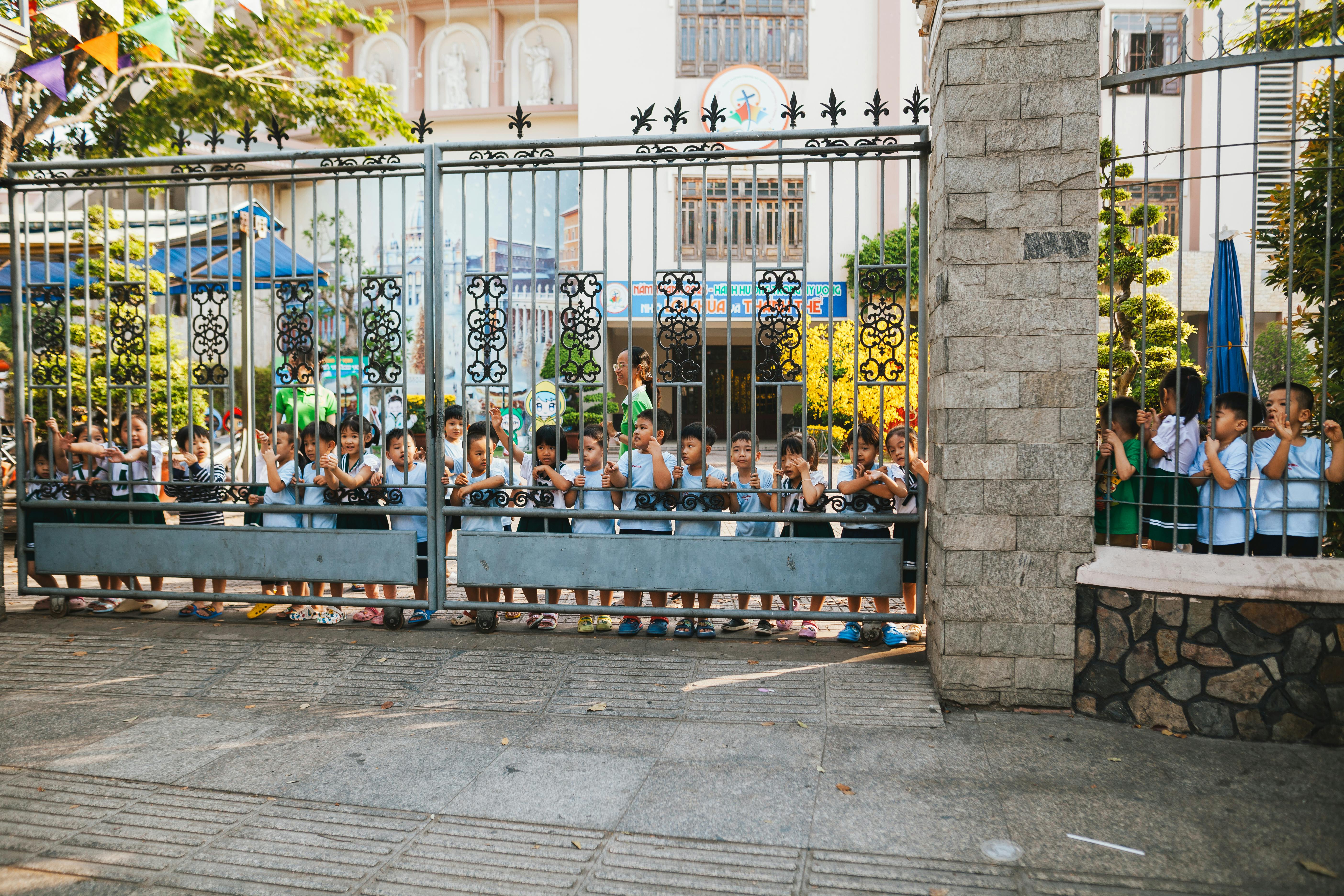
On Wednesday, August 27, 2025, a horrific act of violence unfolded at Annunciation Catholic Church and its adjacent school in Minneapolis. A shooter, identified as 23-year-old Robin Westman, opened fire through the church’s stained-glass windows during morning Mass, tragically killing two young children, 8-year-old Fletcher Merkel and 10-year-old [Name of second child not provided in sources], and injuring 18 others, 15 of whom were children. The shooter, who had legally purchased a rifle, shotgun, and pistol, died by suicide at the scene. This senseless act, described by authorities as “absolutely incomprehensible,” has plunged the community into grief and amplified national concerns about school safety. The motive behind the attack is still under investigation, but initial reports suggest Westman was fixated on the idea of harming children and expressed admiration for other mass shooters. The violence occurred during the first week of the new school year, a time typically filled with excitement and anticipation, making the tragedy all the more poignant.
The Evolving Landscape of School Safety in 2025
The Minneapolis incident, while deeply disturbing, is not an isolated event. It underscores a persistent challenge that schools across the United States have been facing. As of 2025, the conversation around school safety is more dynamic than ever, influenced by technological advancements, evolving societal concerns, and the ever-present shadow of past tragedies.
Technological Innovations Enhancing Campus Security. Find out more about Minnesota school shooting trending news.
In 2025, schools are increasingly turning to technology to bolster their security measures. We’re seeing a significant shift towards integrated systems that go beyond traditional surveillance. * AI-Powered Surveillance Systems: Artificial intelligence is revolutionizing video analytics, enabling real-time threat detection, anomaly identification, and automatic alerts to security personnel. These systems can analyze behavior patterns and even detect weapons, potentially intervening before incidents escalate. * Integrated Access Control: Gone are the days of standalone security systems. Modern schools are adopting integrated platforms that combine access control, visitor management, and emergency response capabilities. This allows for instant campus lockdowns and better monitoring of who enters and exits buildings. * Cloud-Based Security Management: Cloud platforms are centralizing security data, allowing administrators to manage multiple campuses remotely. This offers scalability and flexibility, crucial for districts managing numerous facilities. * Advanced Emergency Communication: Real-time notifications are critical during emergencies. Schools are implementing systems that utilize multiple channels, including SMS, email, and push notifications, to keep everyone informed. * Smart Sensors and IoT Integration: The Internet of Things (IoT) is enabling the integration of various sensors to create a comprehensive security network. Smart sensors can detect abnormal noises, identify unusual objects, and even monitor environmental conditions, providing an extra layer of awareness. * Digital Twin Facility Layouts: This emerging technology recreates physical spaces in 3D, helping officials pinpoint security weaknesses and assist first responders in navigating campuses during emergencies. The market for school and campus security is projected to grow significantly, with an expected increase of over 11% between 2024 and 2032, reflecting the ongoing investment in these technologies.
The Role of Social Media in News and Safety Discussions
Social media platforms have become a powerful force in how news breaks and spreads, and the Minneapolis incident is no exception. These platforms amplify public discourse, allowing for rapid dissemination of information and immediate reactions from communities. However, this also presents challenges. * Information Overload and Misinformation: The speed at which information travels on social media can make it difficult to discern factual reporting from misinformation. As seen with the Minneapolis tragedy, early reports and evolving narratives are often shared widely, sometimes without full context. * Fueling Bullying and Conflict: Educators report that social media often fuels fights and bullying among students, which can spill over into real-world conflicts at school. Viral dares and trends have also led to vandalism of school property. * Mental Health Impact: The U.S. Surgeon General has issued advisories on the harmful impacts of social media on youth mental health, and many school districts are suing social media companies, citing the erosion of students’ well-being. This connection between social media use and mental health is a critical area of concern for schools in 2025. Schools are increasingly implementing digital literacy courses to teach students about online safety, identifying misinformation, and responsible social media use.
Mental Health: A Cornerstone of School Safety. Find out more about Minnesota school shooting trending news guide.
The conversation around school safety in 2025 is inextricably linked to mental health. Experts emphasize that a proactive approach includes addressing the well-being of students and staff. * Early Intervention and Support: Schools are recognizing the importance of early intervention strategies and providing robust mental health support. This includes incorporating mental health curriculums, mindfulness programs, and readily accessible counseling services. * Destigmatizing Mental Health: Efforts are underway to destigmatize mental health issues and encourage open conversations. Resources like hotlines, school counselors, and community support programs are vital in this regard. * Educator Training: Teachers are being trained to identify early warning signs of mental distress in students and to engage in appropriate mental health conversations. The National Alliance on Mental Illness (NAMI) provides extensive resources for students, parents, and educators, emphasizing the need to create safe and supportive classroom environments.
Analyzing the Minneapolis Incident: A Deeper Look. Find out more about Minnesota school shooting trending news tips.
The Minneapolis shooting, while a singular event, offers critical insights into the broader challenges facing schools. The shooter’s motive, the targeting of a religious service during school hours, and the immediate response all contribute to a complex narrative.
Community Response and Resilience
In the wake of the tragedy, the Minneapolis community has rallied to support those affected. Teachers and children demonstrated remarkable bravery, with older students protecting younger ones during the attack. The swift response from law enforcement and emergency services was crucial in managing the immediate aftermath.
Media Coverage and Public Discourse. Find out more about Minnesota school shooting trending news strategies.
The incident quickly garnered national media attention, highlighting the public’s deep concern for school safety. The way media outlets frame these stories can significantly influence public perception and policy discussions. Responsible reporting that avoids sensationalism and provides context is essential for fostering constructive dialogue.
Policy Debates and Potential Solutions
Tragedies like the Minneapolis shooting inevitably reignite debates about gun control, school security measures, and mental health funding. Experts like James Alan Fox, a criminologist specializing in mass shootings, note that while such events are horrific, mass shootings have seen a substantial decrease in recent years compared to previous periods. However, this does not diminish the impact on affected communities. The focus remains on developing multifaceted solutions that address the root causes of violence.
Navigating the Complexities of School Safety. Find out more about educationminnesotaorg.
As we move through 2025, the discussion around school safety requires a nuanced understanding of various contributing factors. It’s not just about physical security; it’s about creating a holistic environment where students feel safe, supported, and valued.
The Importance of a Proactive Approach. Find out more about schoolsafetygov guide.
Experts consistently emphasize the need for a proactive approach to school safety. This includes: * Fostering Positive School Climates: Creating an environment where students feel connected and supported is paramount. * Addressing Bullying: Bullying remains a significant concern for principals and teachers, and effective strategies to combat it are crucial. * Providing Mental Health Support: Accessible and comprehensive mental health services for students and staff are essential for prevention and intervention.
Lessons Learned from Past Incidents
The ongoing dialogue about school safety is informed by a history of similar events. Analyzing these past incidents helps identify effective strategies and areas needing improvement. The FBI’s 2025 Crime in Schools report, covering data from 2020-2024, provides valuable insights into crime patterns on school property, though it also notes that law enforcement reporting to the FBI is not mandatory, making it difficult to ascertain definitive trends.
The Role of the Community
Building resilient school communities involves the active participation of parents, educators, students, and local authorities. Open communication, collaboration, and a shared commitment to safety are vital.
Actionable Takeaways for a Safer Future
The Minneapolis tragedy serves as a stark reminder of the work that still needs to be done. Here are some actionable steps we can all take: * Stay Informed and Engaged: Keep abreast of school safety initiatives in your local community and engage with school administrators and parent-teacher organizations. * Advocate for Mental Health Resources: Support policies and funding that expand access to mental health services for students. Organizations like NAMI offer valuable resources and advocacy opportunities. * Promote Digital Literacy: Educate yourself and your children about safe and responsible social media use. Schools can play a role by incorporating digital literacy into their curriculum. * Foster Open Communication: Create an environment where children feel comfortable discussing their concerns, including any anxieties related to school safety or social media. * Support School Safety Technologies: Understand the role of technology in enhancing school safety, but also advocate for balanced approaches that prioritize student well-being. *** The events in Minneapolis are a tragedy that will undoubtedly shape discussions about school safety for years to come. By staying informed, engaged, and committed to fostering supportive and secure environments, we can work together to prevent future incidents and ensure that our schools are places where all students can learn and thrive. If you or someone you know needs support, please reach out to the following resources: * National Suicide Prevention Lifeline: Call or Text 988 * Crisis Text Line: Text HOME to 741741 * The Trevor Project: 1-866-488-7386 (for LGBTQ youth) * Childhelp USA: 1-800-4-A-CHILD (1-800-422-4453) Let’s continue this vital conversation. What steps do you believe are most crucial for enhancing school safety in our communities? Share your thoughts in the comments below.