
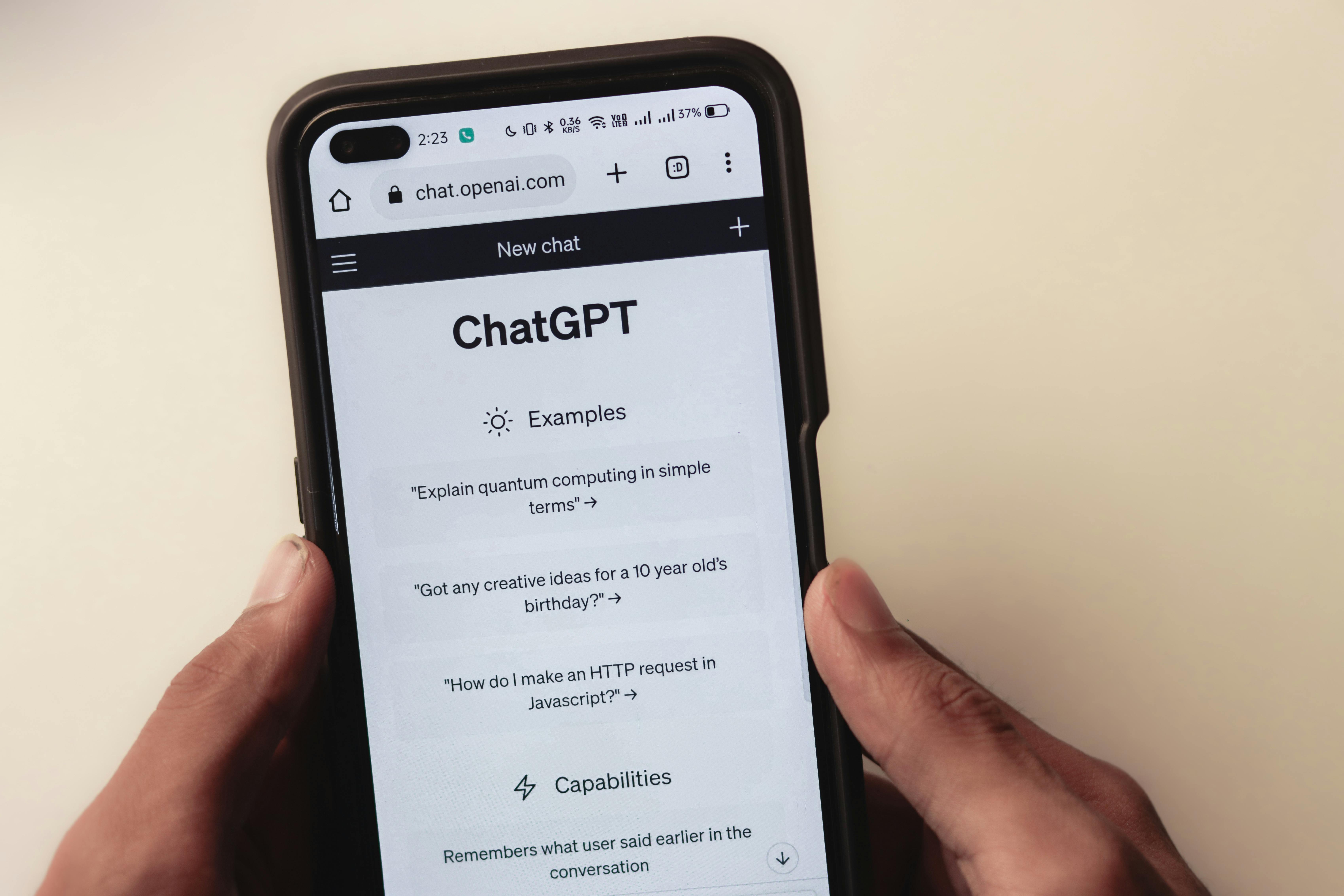
The Unseen Power: Sophistication and Capabilities Evolve
The capabilities of AI chatbots have expanded dramatically, moving far beyond simple question-and-answer scripts. Thanks to rapid advancements in Natural Language Processing (NLP) and machine learning, these bots are becoming incredibly sophisticated, capable of understanding context, intent, and even sentiment.
Handling Complexity: Beyond Basic FAQs
One of the most significant leaps is the ability of modern AI chatbots to handle increasingly complex inquiries. Advanced NLP allows these bots to understand colloquial language, detect nuances, and process multi-part questions. This means they can now assist with tasks like troubleshooting technical issues, processing returns, scheduling appointments, and providing detailed product information that goes well beyond a pre-written script. For example, a chatbot can now guide a user through a complex software installation process, adapt its instructions based on the user’s feedback, and even initiate a diagnostic scan if a problem is detected. This enhanced comprehension reduces frustration for customers and broadens the scope of tasks that can be automated effectively.
This increased intelligence means that the threshold for requiring human intervention is being pushed higher. Chatbots are becoming adept at tasks that previously demanded skilled human agents, making them a more integral part of the support ecosystem.. Find out more about intelligent digital marketing service chatbot.
The Emotional Quotient: Empathy in Algorithms?
While true empathy remains a human trait, AI chatbots are becoming increasingly adept at recognizing and responding to human emotions. Through sentiment analysis, chatbots can detect frustration, satisfaction, or urgency in a customer’s text. This allows them to adjust their tone and response accordingly—offering more reassuring language to an upset customer or a more direct, efficient approach to someone clearly in a hurry. For instance, if a chatbot detects that a customer is expressing extreme dissatisfaction, it can be programmed to immediately escalate the conversation to a human agent, preventing further escalation of negative sentiment.
This development is crucial for maintaining a positive brand image and fostering customer loyalty. By acknowledging and responding appropriately to customer emotions, chatbots can help create a more human-like and supportive interaction, even when the conversation is entirely automated. While they cannot replace genuine human connection, their ability to simulate understanding can significantly improve the user experience in many scenarios. Research published in late 2024 highlighted the growing importance of “emotional AI” in chatbot design, aiming to create more compassionate and effective automated interactions.
Deep Integration: Becoming Core Business Operations
The true power of AI chatbots is unlocked when they are deeply integrated into a business’s existing systems and workflows. Modern chatbots can connect seamlessly with Customer Relationship Management (CRM) software, Enterprise Resource Planning (ERP) systems, knowledge bases, and other operational tools. This integration allows them to perform sophisticated actions, such as updating customer records, initiating order fulfillment processes, checking inventory levels, and even triggering internal alerts. For example, a chatbot handling a customer complaint about a damaged product could automatically generate a return merchandise authorization (RMA) in the ERP system, schedule a pickup, and update the customer’s profile in the CRM, all without human input. This level of integration automates complex, multi-step processes, leading to significant operational efficiencies and cost savings.. Find out more about intelligent digital marketing service chatbot guide.
This seamless connectivity means chatbots are no longer just front-line interfaces; they are becoming essential components of the back-end operational infrastructure, streamlining tasks and improving data accuracy across the organization. This is crucial for businesses looking to scale their operations efficiently in 2025.
Navigating the Minefield: Challenges and Ethical Hurdles
Despite their immense capabilities and transformative potential, the widespread adoption of AI chatbots brings a unique set of challenges and ethical considerations that businesses must carefully address. Ignoring these aspects can lead to significant risks, from data breaches to reputational damage.
Data Privacy and Security: The Unseen Guardians. Find out more about intelligent digital marketing service chatbot tips.
As AI chatbots interact with customers, they often handle sensitive personal information, including names, addresses, payment details, and other private data. Ensuring the robust security and privacy of this information is paramount. Businesses must implement stringent data protection measures, comply with evolving global privacy regulations (such as GDPR, CCPA, and emerging regional laws), and maintain transparency about how customer data is collected, stored, and used. Encryption, secure authentication protocols, and regular security audits are non-negotiable. A data breach involving chatbot interactions could have severe financial and legal repercussions, not to mention a devastating impact on customer trust. Federal Trade Commission guidance offers essential principles for protecting consumer data. Businesses must prioritize building trust through responsible data stewardship.
The Bias Bogeyman: Ensuring Fair AI
AI algorithms learn from the data they are trained on. If this data contains historical biases—whether related to race, gender, socioeconomic status, or any other factor—the AI chatbot can inadvertently perpetuate or even amplify these biases. This can lead to unfair treatment of certain customer groups, discriminatory outcomes, and significant ethical and legal challenges. For example, a chatbot used for loan pre-qualification might unfairly disadvantage applicants from certain demographics if its training data reflected historical lending biases. Businesses must actively work to identify and mitigate bias by using diverse and representative training datasets, implementing fairness metrics in AI development, and conducting regular audits to ensure equitable outcomes for all users. The Google Responsible AI Practices offer a framework for developing AI systems that are fair and beneficial.
The Human Touch: When Bots Meet Their Match
While AI chatbots are incredibly powerful, they have limitations, particularly when dealing with highly complex, unique, or emotionally charged situations. A chatbot might struggle with ambiguous language, novel problems, or deep-seated customer frustration. In such cases, forcing a customer to continue interacting with a bot that cannot help can be intensely irritating and damaging to the brand. Therefore, a well-defined and seamlessly executed escalation path to a human agent is essential. Businesses need to design systems where chatbots can intelligently recognize when human intervention is required and transfer the conversation smoothly, providing the human agent with all the necessary context from the prior chatbot interaction. This hybrid approach—AI for efficiency, humans for empathy and complex problem-solving—is crucial for delivering a balanced and superior customer experience.. Find out more about intelligent digital marketing service chatbot strategies.
The Future Is Now: Predictions and Practical Pathways
Looking ahead from October 1, 2025, the trajectory of AI chatbots is set for even more remarkable advancements. The focus is shifting from merely automating tasks to creating truly intelligent, proactive, and integrated digital assistants that enrich every facet of customer interaction.
Hyper-Personalization: The Next Frontier
The next wave of AI chatbots will move towards hyper-personalization, anticipating customer needs before they are even explicitly stated. By analyzing a vast array of data points—from past purchase history and browsing behavior to real-time contextual information—chatbots will be able to offer highly relevant product recommendations, proactive support, and tailored offers. Imagine a travel chatbot that, noticing a customer has been searching for family vacation destinations, proactively suggests deals on flights and hotels for specific dates and destinations, based on learned preferences for kid-friendly activities and budget constraints. This predictive capability transforms customer service from reactive problem-solving to proactive value creation, fostering deeper engagement and loyalty.
Generative AI and Chatbots: Creative Conversations. Find out more about Intelligent digital marketing service chatbot insights.
The integration of Large Language Models (LLMs) and generative AI is profoundly enhancing chatbot capabilities. These advanced models enable chatbots to generate more human-like, creative, and contextually aware responses. They can craft personalized marketing messages, draft detailed explanations, and even engage in more fluid, dynamic conversations that feel less scripted. For content creators and marketers, this means AI can assist in generating initial drafts for blog posts, social media updates, or email campaigns, which can then be refined by human editors. This synergy between AI generation and human oversight promises to boost productivity and content quality significantly.
The Evolving Role of Human Agents
As AI chatbots become more capable, the role of human agents will evolve rather than disappear. Instead of handling routine inquiries, human agents will increasingly focus on high-value activities: managing complex exceptions, building deep customer relationships, strategic problem-solving, and overseeing AI systems. They will become AI orchestrators and relationship managers, leveraging AI tools to augment their own expertise. This evolution requires a focus on upskilling and training for human teams, ensuring they are equipped to work alongside sophisticated AI and handle the most critical customer interactions with enhanced effectiveness.
Actionable Insights for Businesses in 2025. Find out more about AI chatbots for customer service efficiency insights guide.
To thrive in this AI-driven era, businesses should focus on several key areas:
- Strategic Implementation: Don’t adopt AI chatbots for the sake of it. Identify specific business problems or opportunities where AI can deliver tangible value.
- Data Governance: Prioritize data privacy and security. Ensure compliance with all relevant regulations and build robust data protection protocols.
- Ethical AI Development: Actively work to identify and mitigate bias in AI algorithms. Foster fairness and transparency in all AI-driven interactions.
- Human-AI Collaboration: Design systems that leverage the strengths of both AI and human agents. Create seamless escalation paths and empower human teams with AI tools.
- Continuous Learning: The AI landscape is constantly changing. Invest in ongoing training and development for your teams and stay abreast of new AI advancements and best practices.
Conclusion: Embracing the Intelligent Assistant Era
As of October 1, 2025, AI chatbots are no longer a futuristic concept; they are a present-day imperative for businesses aiming to excel in customer service and digital marketing. Their ability to deliver personalized, instant, and efficient support, coupled with their growing capacity to handle complexity and even simulate empathy, is revolutionizing customer engagement. However, this transformative power comes with significant responsibilities—ensuring data privacy, addressing algorithmic bias, and understanding the irreplaceable value of human oversight. The future belongs to businesses that can artfully blend the efficiency and scalability of AI with the empathy and strategic thinking of human expertise. By thoughtfully integrating AI chatbots, businesses can not only meet but exceed evolving customer expectations, unlock new operational efficiencies, and forge stronger, more meaningful relationships with their audience. The intelligent assistant era is here, and it’s time to embrace it.
What challenges do you anticipate or are you already facing with AI chatbot implementation in your business? Share your thoughts in the comments below!