Broader Market Implications and Competitive Landscape
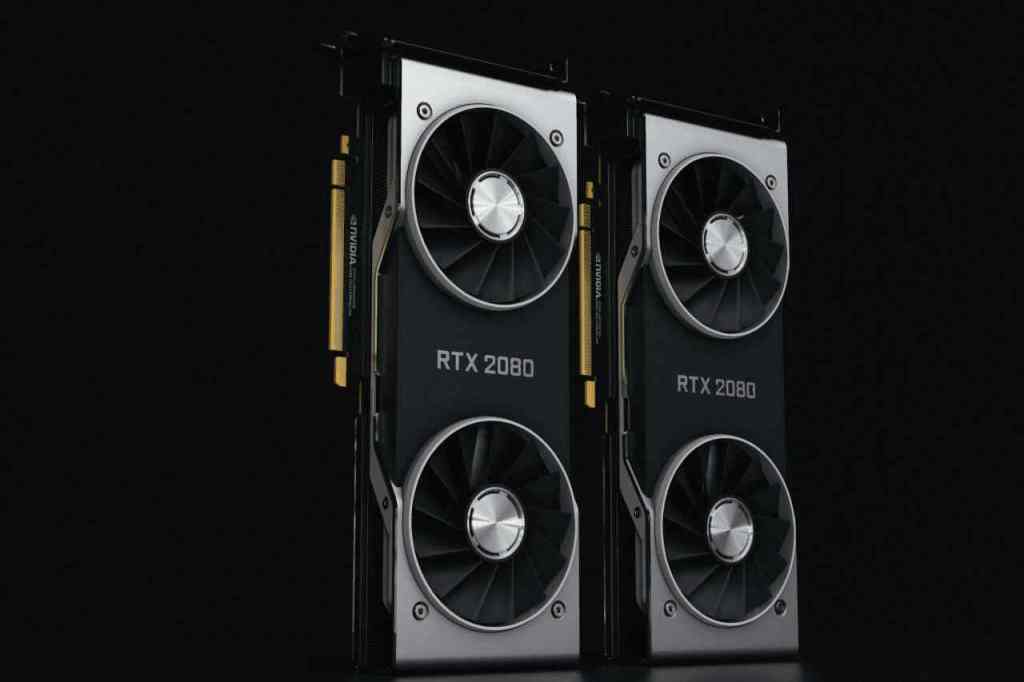
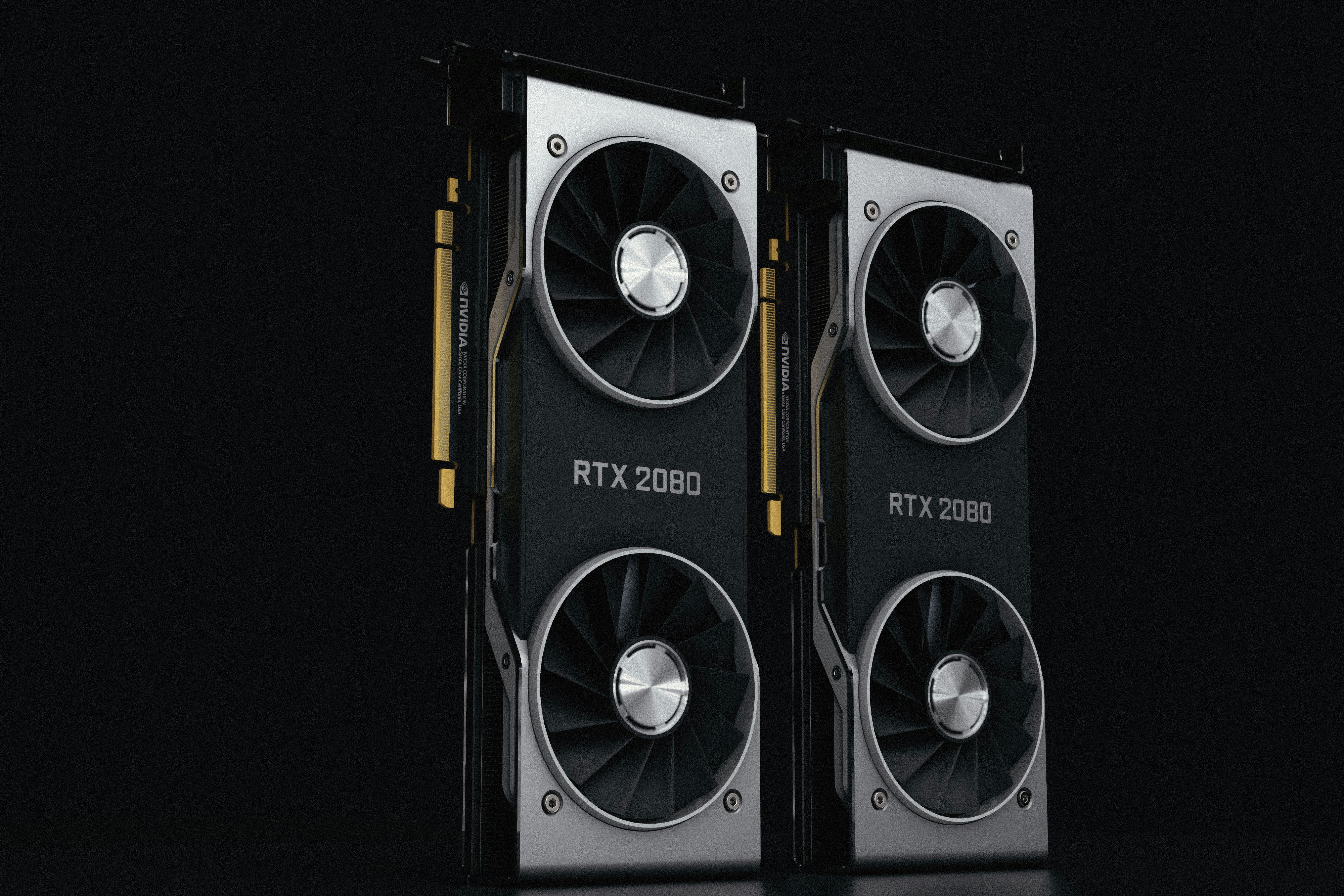
The monumental partnership between OpenAI and Nvidia has significant ripple effects across the broader artificial intelligence industry, influencing competitive dynamics and the strategic decisions of other major technology players. By committing to such a massive build-out of AI infrastructure powered by Nvidia, OpenAI is setting a new benchmark, compelling competitors to reassess their own capabilities and investment strategies. This move is likely to spur increased spending across the sector, further solidifying Nvidia’s central role, while also potentially intensifying the race for AI dominance.
Setting a New Benchmark for AI Infrastructure Investment. Find out more about OpenAI Nvidia strategic AI partnership.
OpenAI’s commitment to building 10 gigawatts or more of AI data center capacity represents an unprecedented scale of investment in computational resources. This ambitious undertaking signals a profound belief in the future potential of AI and the necessity of having massive, dedicated infrastructure to support it. For other organizations and companies operating in the AI space, this development serves as a clear indicator of the resources required to compete at the highest level. It suggests that those who do not make comparable investments in computing power may find themselves at a significant disadvantage in the rapidly evolving AI race. This scale of deployment is truly unprecedented in the industry and sets a high bar for future AI infrastructure projects.
Stimulating Increased Spending Across the Industry. Find out more about OpenAI Nvidia strategic AI partnership guide.
The strategic decision by OpenAI to partner so closely with Nvidia and commit to such a large-scale infrastructure project is expected to have a cascading effect on competitors. Companies across the technology spectrum, from cloud service providers to AI startups and established tech giants, will likely feel compelled to increase their own spending on AI hardware and infrastructure to keep pace. This heightened investment across the industry directly translates into greater demand for the very components that Nvidia provides, potentially leading to further revenue growth and market share expansion for the chip giant. The race for AI supremacy is, in essence, a race for compute power.
Competitive Responses and Emerging Challengers. Find out more about OpenAI Nvidia strategic AI partnership tips.
While Nvidia enjoys a dominant position, the immense profitability of the AI hardware market is attracting significant attention from competitors. Companies like AMD, for instance, are actively working to develop and market their own AI-focused GPUs and specialized AI accelerators. The increasing demand for AI computing power may create opportunities for these challengers to gain traction, particularly if they can offer competitive performance or cost advantages, as seen with AMD’s own partnership with OpenAI. However, Nvidia’s established ecosystem, extensive R&D investments, and strong customer relationships provide a formidable barrier to entry. The market’s growth is so vast that even a smaller share for competitors could still represent substantial business.
Future Outlook and Potential Challenges Ahead. Find out more about OpenAI Nvidia strategic AI partnership strategies.
As Nvidia stands on the precipice of potentially achieving and sustaining multi-trillion dollar market valuations, driven by the transformative partnership with OpenAI and the broader AI boom, it is crucial to consider the future outlook and the inherent challenges that lie ahead. While the current trajectory appears exceptionally strong, sustained success in the technology sector is rarely without its obstacles. Navigating these complexities will be key to realizing the full potential of this remarkable growth phase.
Sustaining Technological Leadership. Find out more about OpenAI Nvidia strategic AI partnership overview.
Nvidia’s dominance is predicated on its ability to consistently innovate and deliver cutting-edge technology. The rapid pace of AI development means that competitors are constantly striving to close the performance gap. Nvidia must continue to invest heavily in research and development to maintain its technological lead in GPU architecture, AI accelerators, and associated software platforms. Failure to do so could cede ground to rivals and erode its market advantage over time. The ongoing arms race in AI hardware demands relentless innovation.
Navigating Market and Economic Volatility. Find out more about Nvidia $100 billion AI investment OpenAI definition guide.
The technology sector, particularly high-growth segments like AI, is susceptible to broader market fluctuations and economic cycles. A global economic downturn, shifts in investor sentiment, or changes in regulatory environments could impact the pace of AI investment and, consequently, demand for Nvidia’s products. Furthermore, the concentration of revenue in the data center segment, while currently a strength, also presents a potential vulnerability if this specific market experiences a slowdown or disruption. Diversification and resilience will be crucial for weathering potential storms.
The Long-Term Viability of AI Infrastructure Spending
While current projections for AI infrastructure spending are exceptionally robust, the long-term sustainability of such massive investments depends on continued advancements in AI capabilities and the realization of tangible economic benefits across industries. If the promised productivity gains or new revenue streams from AI do not materialize as expected, or if the cost of AI development and deployment becomes prohibitive, the pace of infrastructure build-out could slow. The ongoing partnership with OpenAI, and similar ventures, rely on a sustained belief in AI’s transformative power.
Potential for New Technological Paradigms
The field of computing is subject to disruptive innovation. While GPUs currently dominate AI processing, future breakthroughs in areas like quantum computing, neuromorphic chips, or entirely new computational architectures could potentially challenge the current paradigm. Nvidia’s long-term strategy must account for these potential disruptions, exploring and investing in emerging technologies to ensure it remains at the forefront of future computing advancements, rather than becoming a victim of obsolescence. In conclusion, the strategic alliance between OpenAI and Nvidia, solidified in late 2025, represents a pivotal moment in the evolution of artificial intelligence. With Nvidia’s substantial investment and OpenAI’s commitment to building massive AI data centers powered by Nvidia’s cutting-edge hardware, both companies are poised for unprecedented growth. This partnership not only accelerates AI development but also reshapes the competitive landscape and drives significant market dynamics. As we look ahead, the ability of both organizations to innovate, adapt, and navigate potential challenges will be key to unlocking the full potential of artificial general intelligence and solidifying their positions at the forefront of this transformative technological era.