
Here’s Jeffrey Epstein Complaining About SEO: Navigating the Definitive Ascendancy of Generative AI in Search in 2025
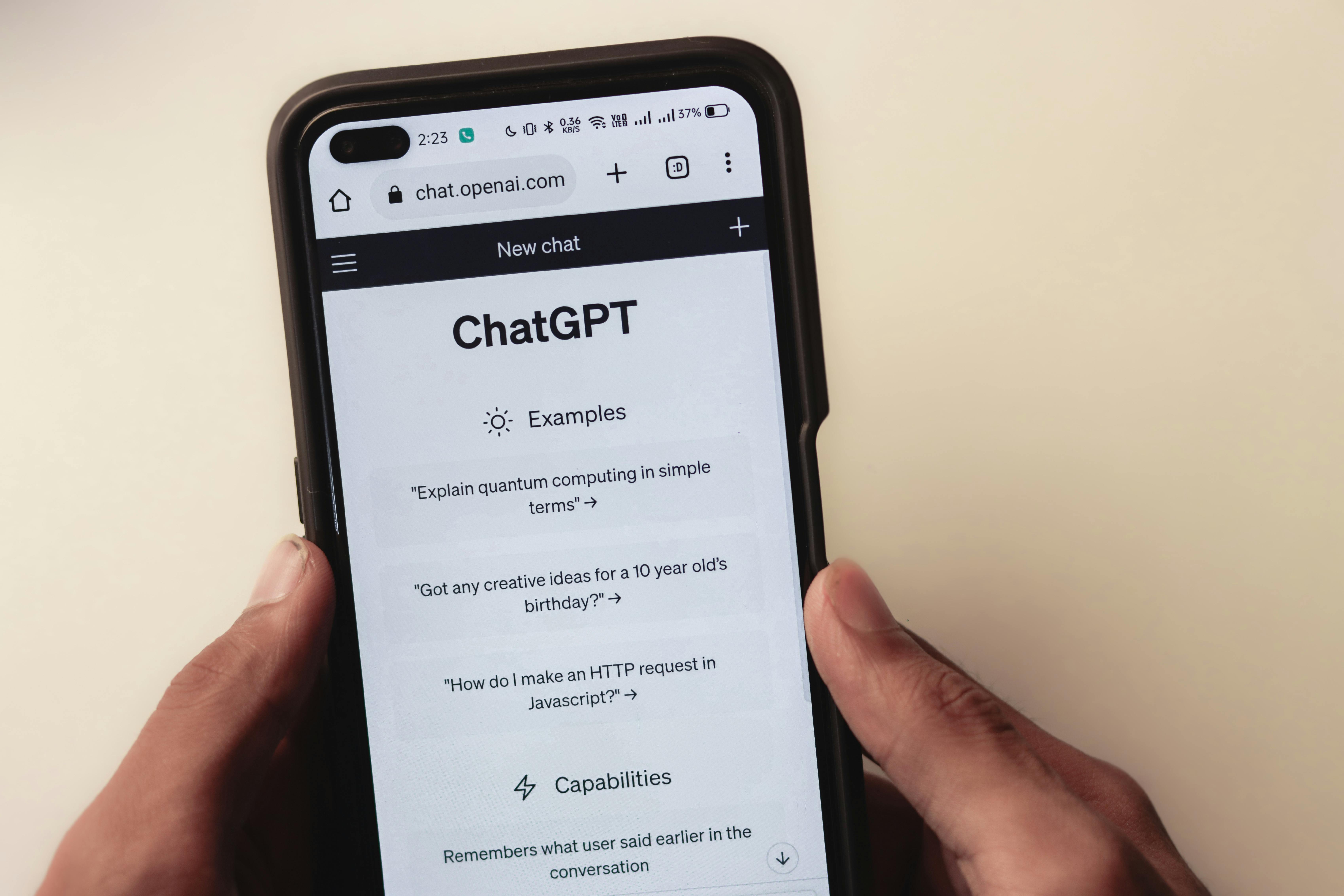
The digital landscape of Search Engine Optimization has undergone a seismic shift heading into the latter half of 2025. While the opening hook—a reference to alleged past frustrations, such as reports noting Jeffrey Epstein complaining about SEO and its impact on visibility—highlights a persistent, timeless struggle with controlling online narratives, the *current* struggle is not about a single search engine’s whims. It is about fundamentally restructuring how content delivers value in an era dominated by intelligent automation. The year 2025 is defined by the machine’s ascent, where synthesizing answers directly on the Search Engine Results Page (SERP) has become the norm, not the exception.
Section Two: The Definitive Ascendancy of Generative AI in Search Engine Results Pages
Dominance and Expansion of Artificial Intelligence Overviews
The year 2025 is unequivocally characterized by the maturation and aggressive expansion of integrated generative AI features directly within the primary Search Engine Results Pages (SERPs). What began as experimental features—such as Google’s Search Generative Experience (SGE) or similar offerings from Bing and others—have now solidified their position, consuming significant, prime SERP real estate. Data collected through Q3 2025 indicates a substantial increase in the percentage of searches returning comprehensive, AI-synthesized answers, particularly for informational and complex problem-solving queries. This development fundamentally alters the traditional pathway from query to website, acting as a powerful filter that surfaces direct answers, thereby mitigating the need for the user to click through to an external source.
These AI Overviews are not merely glorified featured snippets; they represent an evolution in information delivery. Research from early 2025 shows that AI Overviews appeared on over 13% of queries, doubling the previous quarter’s appearance rate in some engines, with the fastest growth seen in specialized sectors like Science and Health . Because these Overviews appear at or near the top of results, traditional “blue links” are systematically pushed further down the page, resulting in a measurable decline in click-through rates for many ranked websites . The implication is clear: in 2025, visibility is increasingly about citation within the summary rather than a high position in the link list.
Shifting Focus: From Keyword Precision to Contextual Answer Fulfillment
The rise of these AI Overviews signals a definitive shift away from the previous era’s obsession with exact keyword matching. Since the underlying Large Language Models (LLMs) excel at understanding natural language context and semantic relationships, content optimization must pivot from syntax to semantics. The focus is now intensely on intent-based fulfillment—providing the most granular, high-quality, and trustworthy answer to the underlying question, rather than simply optimizing the page title and body text for a specific string of words. Studies published in mid-2025 show a statistically low rate of exact query matches within AI-generated summaries, proving that context and entity association now outweigh linguistic duplication .
This evolution demands that SEO practitioners adopt what some industry leaders call Generative Engine Optimization (GEO) . This is less about keyword density and more about creating content clusters around core topics to demonstrate comprehensive subject matter expertise that an LLM can reliably parse and synthesize . The content must be structured in a way that clearly delineates key takeaways and factual assertions, helping the AI accurately attribute and present the information .
Section Three: The Strategic Imperative of Content Quality and Trust Signals in an AI Era
The Renewed Centrality of E-E-A-T Frameworks
The core tenets of Expertise, Experience, Authoritativeness, and Trustworthiness (E-E-A-T) have never been more critical than in 2025 . With AI models drawing from vast and often unvetted datasets, search engines are implementing increasingly sophisticated mechanisms to filter out synthetic, low-value content generated at scale by automation. In this environment, E-E-A-T has become the primary differentiator, ensuring that only the most credible, user-focused, and valuable content surfaces . Search engines are actively rewarding content that clearly demonstrates genuine, first-hand experience and verifiable domain authority .
The “Experience” component, added to the framework in late 2022, is now the key to unlocking authority in 2025. Content that offers first-hand stories, original research, detailed case studies, or direct testimonials carries significantly more weight than generalized information . For content creators, this means doubling down on transparent author attribution, citing verifiable sources, and providing unique insights that AI tools cannot easily replicate from existing web data. Building author and brand authority now requires strategic credential display, expert contributions, and consistent industry presence to reinforce the ‘A’ and ‘E’ of the framework .
Addressing the Perils of Automated Content Generation and Spam Policies
Despite the efficiency AI tools offer for drafting and ideation, relying on them for mass, unedited production now carries significant risk. Search engine spam policies are continuously being refined to detect and devalue content that clearly serves the engine rather than the end-user. This has created a challenging dichotomy where using AI for speed must be carefully balanced with the necessity of human oversight, fact-checking, and value-addition to ensure the final product adheres to the user-first mandate . The industry is learning that content volume without demonstrable quality acts as a liability rather than an asset, especially as engines become adept at identifying content lacking genuine human oversight .
Furthermore, newer threats like “Parasite SEO” spam are being actively defended against by search providers, underscoring the continuing need for high-trust signals across all content types . Strategies must ensure that AI assistance enhances human-led quality, rather than replacing the core human value proposition required for E-E-A-T compliance.
Section Four: The Fragmentation of the Search Ecosystem and Traffic Diversification
The Growing Viability of Alternative Search Engines and LLM Interfaces
A significant trend shaping 2025 is the measurable erosion of search engine monopolies. Various large language model (LLM) powered interfaces—such as specialized conversational platforms like Perplexity AI—and dedicated alternative search engines are capturing meaningful market share, particularly among users seeking rapid, synthesized answers . Some businesses are reporting substantial surges in referral traffic from these newer platforms, emphasizing that optimization is no longer a singular, monolithic pursuit targeting one primary engine. Platforms like Perplexity are explicitly designed to provide concise, citation-backed responses, directly catering to the demand for instant information .
This diversification is impacting traffic metrics. While overall organic traffic may see headwinds from zero-click SERPs on traditional engines, traffic from these newer AI-forward sources often exhibits higher engagement value. Early 2025 data suggested that traffic from AI referrals often had a lower bounce rate and higher page view count compared to traditional organic traffic, making optimization for these channels a critical growth vector .
Developing Multi-Platform Visibility Strategies Beyond Traditional SERPs
In response to this fragmentation, the concept of “SEO” is rapidly evolving into a broader “Digital Visibility Strategy.” This mandates a deliberate investment in optimizing content for non-Google discovery surfaces. Key tactics include sophisticated optimization for internal platform searches within social media ecosystems, rigorous management of brand appearance in knowledge panels and entity clusters, and proactive engagement on community-driven Q&A platforms, which AI is increasingly sampling for real-time data . Traffic diversification is now considered a foundational element of risk mitigation against any single engine’s algorithmic volatility.
Section Five: Evolving User Experience and Technical Foundation Requirements
The Continuous Evolution of User Experience Metrics and Signals
While content quality remains paramount, the technical delivery and user experience (UX) on the final landing page are increasingly scrutinized by algorithms assessing user satisfaction. Metrics related to interactivity, perceived loading speed, accessibility, and cross-device consistency are vital components of the modern ranking equation . The integration of user behavior analytics, such as heatmaps and scroll depth analysis, moves from being a supplementary tool to a primary driver for on-page refinement, as search engines seek signals that the user’s need was fully resolved *after* the click .
The Enduring Necessity of Robust Technical SEO Foundations
Even amidst the whirlwind of AI and content focus, the underlying infrastructure of a website remains non-negotiable. Technical SEO practices—including efficient site architecture, clean rendering paths, comprehensive mobile optimization (as all SEO is effectively mobile SEO), and intelligent management of crawl budget—are the essential prerequisites that allow newer content and signals to be properly processed by search engine algorithms . Failures here render even the most brilliant, E-E-A-T-compliant content invisible to the powerful new AI crawlers and indexers. The ability of an LLM to quickly and accurately parse structured data to feed knowledge graphs is paramount, making Schema.org implementation an even more urgent technical mandate in 2025 .
Section Six: The Strategic Re-Alignment of SEO Budgets and Justification
Justifying Investment in a Landscape of Zero-Click Searches
One of the prevailing pressures in 2025 is the increased number of “zero-click” searches, where the user’s need is satisfied entirely on the results page via an AI Overview or rich snippet . This economic challenge forces marketing leaders to refine their budget justification models. The focus shifts from solely tracking organic clicks to measuring deeper conversion metrics, brand demand lift, and visibility across the entire spectrum of search interactions, including impressions and citations within AI-generated content .
The Importance of Brand Demand and Its Relationship to Organic Performance
A growing realization is that direct brand demand—users explicitly searching for the company or product name—acts as a crucial buffer against algorithmic volatility. Strategies are increasingly incorporating tactics to aggressively cultivate brand SERP optimization and solidify entity associations in knowledge graphs. This creates a durable traffic source that is less susceptible to fluctuations in generic, high-volume, informational keyword rankings, as users are actively seeking the brand regardless of the SERP composition .
Section Seven: The Rise of Specialized and Long-Form Content Formats
Prioritizing Comprehensive, Long-Form Content for Authority Building
In the competition for authoritative ranking slots and inclusion in detailed AI summaries, extremely comprehensive, long-form content is regaining its footing. This content is designed to be the definitive resource on a topic, addressing numerous related sub-queries within a single, well-structured document. It directly supports E-E-A-T claims by allowing for the deep demonstration of expertise required to rank against established entities .
Adapting Content for New Search Features and Contextual Placements
Beyond the main search results, the integration of newer features, such as personalized search streams or AI-driven recommendation modules, requires specific content adaptations. This includes optimizing for video snippets, structured data that feeds knowledge graphs efficiently, and content designed specifically to be quoted or aggregated by AI systems, ensuring the brand’s perspective is represented in synthesized answers . Creating content with explicit, concise “Key takeaways” at the section level is a modern tactic to aid Gemini and other LLMs in accurately summarizing the material .
Section Eight: Navigating Future Uncertainty and Establishing SEO Scalability
The Continuous Need for Assessment, Adaptation, and Execution Cycles
Given the dynamic nature of search engine operation—marked by unpredictable minor and major algorithm adjustments—the SEO process has become a continuous feedback loop. The successful practitioner in 2025 adheres to a strict regimen of assessment (measuring impact across all new visibility vectors), adaptation (adjusting strategy based on new data from AI citation tracking), and rigorous execution, accepting that yesterday’s success formula has a limited shelf life .
Developing Scalable Frameworks for SEO Operations in a Volatile Market
Finally, the long-term success of any digital operation depends on its ability to scale its visibility efforts without sacrificing quality or increasing overhead disproportionately. This involves leveraging advanced SEO tooling for automation of lower-level tasks, creating modular content strategies that can be rapidly deployed across different platform requirements (e.g., one asset optimized for a knowledge panel query, another for a conversational interface), and investing in cross-functional training to ensure the entire marketing organization understands the interconnectedness of content, technical health, and brand perception in the evolving search universe .
The challenge of 2025 is to move beyond simply ranking and to instead focus on becoming an indispensable, trusted source cited by the very systems designed to answer the world’s questions instantly. The era of the digital ghost—the site that is perfectly optimized but never cited by AI—is the new threat to avoid.