A Divergent View of American Identity: Patriotism Under the Microscope
The entire confrontation—from the Speaker’s fiery rhetoric to the protesters’ constitutional chanting—was fundamentally a battle over the definition of American identity and who held the right to claim patriotism. This ideological clash is the real, underlying friction point.
The Interpretation of Patriotism in a Divided Landscape. Find out more about No Kings movement October 18 rally.
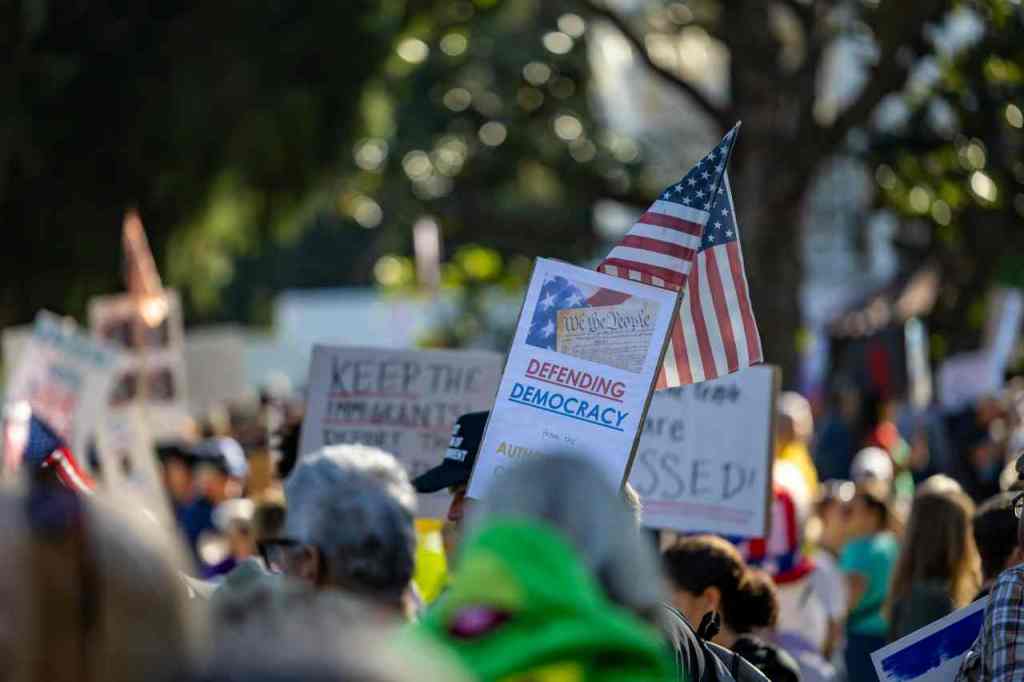
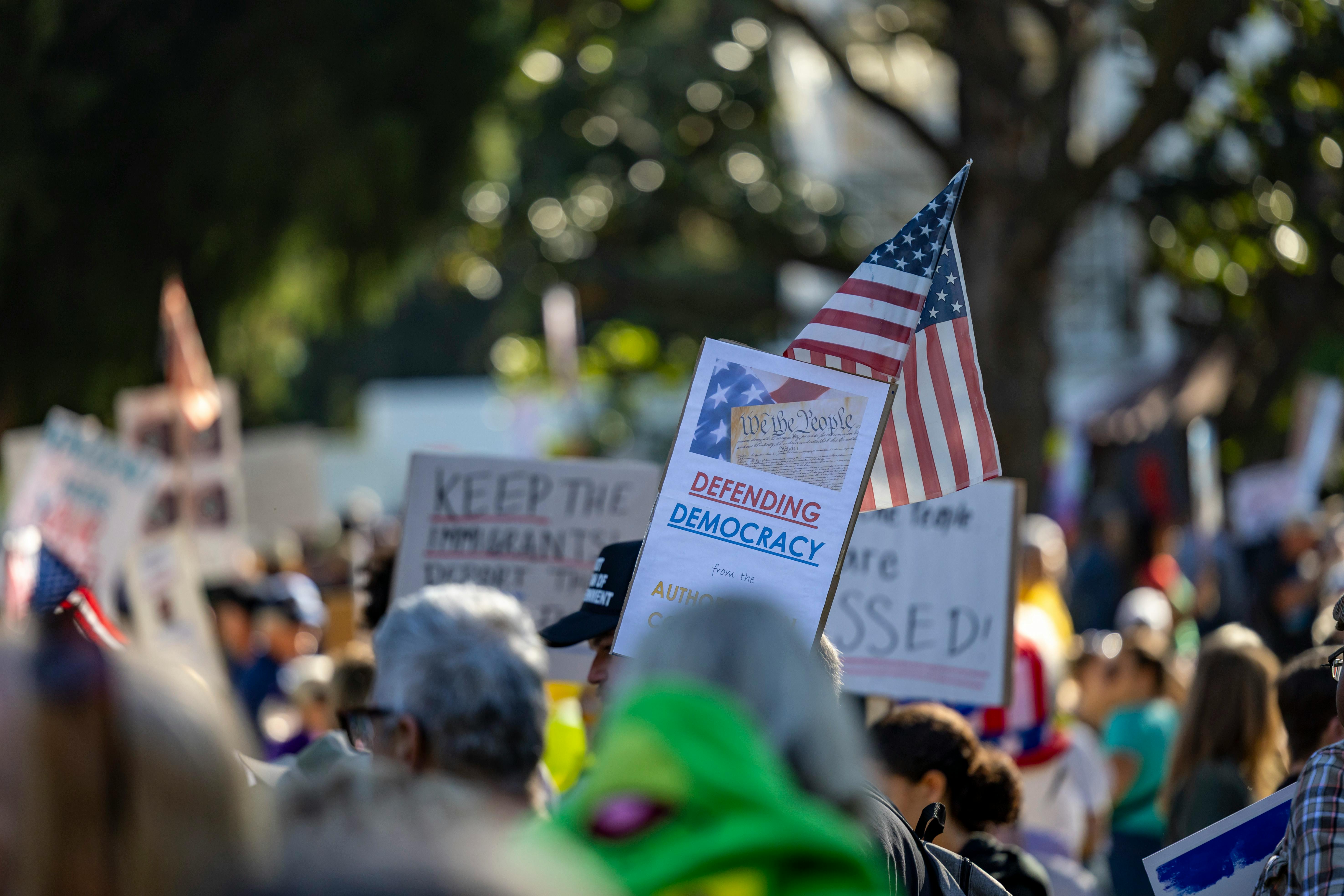
The conflict boiled down to two irreconcilable definitions of patriotism. For the administration and its allies, patriotism appeared intertwined with loyalty to the sitting government and the maintenance of traditional order, viewing dissent as inherently disloyal or, worse, externally motivated. Conversely, the protesters asserted that true patriotism required active resistance to perceived overreach and a defense of democratic structures, viewing silence in the face of authoritarian drift as the ultimate failure of citizenship. As one participant noted in Harrisburg, quoting the Constitution, “If you love a country, you shouldn’t be afraid to criticize it.”
Concerns Over Authoritarian Creep and Erosion of Norms
The protesters articulated a deep-seated fear that the administration’s actions—including the use of federal forces in cities, challenges to judicial rulings, and the shutdown itself—were not merely hardline policy but a deliberate testing of the limits of constitutional democracy. This anxiety about “authoritarian creep” was the central motivator, suggesting that the erosion of norms, rather than any single policy outcome, was the greatest threat facing the nation in the mid-decade of the twenty-first century. The message was one of preservation over partisan victory.. Find out more about No Kings movement October 18 rally guide.
Analyzing the Rhetorical Strategy Employed: Dissecting the Labels
The Speaker’s initial statement was a masterful, if controversial, piece of political communication, expertly leveraging emotionally charged labels to achieve specific strategic goals. Understanding this strategy is crucial for navigating future political engagement.. Find out more about No Kings movement October 18 rally tips.
The Function of Labeling in Political Discourse
The calculated deployment of terms like “hate America,” “Antifa,” and “pro-Hamas” serves a crucial function in polarized political discourse: it provides an immediate, easily digestible categorization that bypasses nuanced policy debate. By affixing these labels, the speaker created an immediate in-group/out-group dynamic, signaling to his base precisely who the enemy was and justifying a defensive posture against the entire assembly. This is a classic method of political discourse manipulation.
The Intent to Discredit and Suppress Dissent. Find out more about Counter-narrative to Mike Johnson hate America description strategies.
The primary intent behind such language, as perceived by critics, was to discredit the legitimacy of the mass mobilization entirely. If the opposition can be successfully defined as fundamentally un-American, hateful, or allied with foreign adversaries, then the content of their message—demands for healthcare, climate action, or fiscal responsibility—becomes irrelevant noise generated by an illegitimate source. This rhetorical strategy attempts to neutralize the political impact of massive, peaceful dissent by framing it as a security threat. If you are interested in how these strategies impact public opinion, a deeper dive into political communication analysis is recommended.
The entire episode, rooted in a government shutdown and culminating in a record-shattering day of protest, encapsulated a fundamental clash over the soul of the republic. Mike Johnson’s declaration served as the high-level official framing of the dissent, while the “No Kings” movement provided the massive, ground-level counter-argument, rooted in a belief that their very act of assembly was the highest form of love for the nation’s core principles. The events of October the eighteenth, 2025, thus became a landmark moment in the era’s struggle to define what it truly means to be an American citizen in a democracy under strain.. Find out more about No Kings movement October 18 rally overview.
Key Takeaways and Actionable Insights for Citizens
The fallout from the October 18th assembly provides several clear takeaways for anyone seeking to understand and participate in modern American civic life:
- The Power of Cohesion: The protest’s success hinged on a broad, multi-issue coalition. Real influence stems from uniting diverse interests under a single, clear, philosophical banner (“No Kings”).. Find out more about Counter-narrative to Mike Johnson hate America description definition guide.
- Narrative Warfare is Key: The organizers immediately understood that they had to fight the narrative of “hate America” by showing up creatively and peacefully as “love America” adherents. Your message is only as strong as the story you tell about it.
- Sustained Engagement Outweighs Single Days: As the event’s organizers stressed, the long-term goal is continuous civic oversight. Actionable Tip: Find one of the two hundred coordinating organizations mentioned and commit to attending one local follow-up meeting per month to maintain the momentum of nationwide political activity.
- The Constitution as a Political Tool: “No Kings” effectively used foundational constitutional concepts to frame the debate as loyalty vs. tyranny, making it difficult to dismiss as mere partisan bickering.
What are your thoughts on the Speaker’s characterization versus the protesters’ actions? Do you believe this sustained level of civic pressure is sustainable, or will it fade as the immediate political crises—like the shutdown—resolve? Share your analysis in the comments below!