
Future-Proofing Visibility: Engineering for the AI Search Landscape
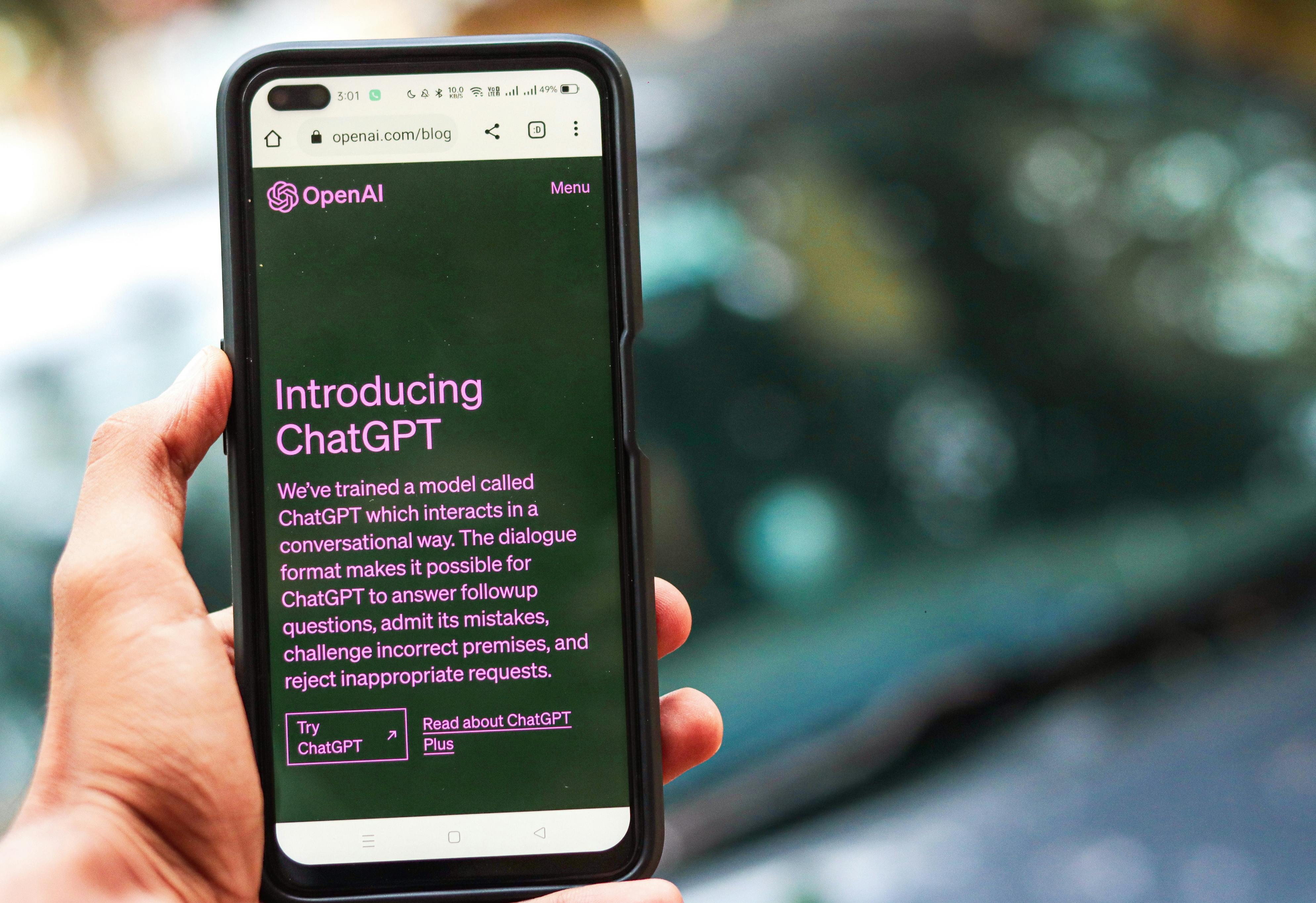
The digital marketing ecosystem is undergoing its most significant paradigm shift since the advent of mobile, a transformation being driven by the maturation of generative AI. A recent analysis, highlighted by Search Engine Land, featuring data from Semrush’s AI Visibility Index in November 2025, starkly illustrates this evolution by charting the divergent paths of two dominant forces: ChatGPT and Google’s AI Mode. While one platform appears to be rapidly expanding its informational reach, the other is demonstrably consolidating its trust radius, forcing a complete re-evaluation of what constitutes online visibility and brand authority for the years to come.
The consensus among industry observers is now firm: AI search traffic is projected to capture an increasingly large share of the overall query volume, potentially surpassing conventional search by early 2028, according to 2025 research by Semrush. This aggressive trajectory makes proactive engineering for AI systems non-negotiable for long-term brand survival, moving beyond simple content creation to a more nuanced, systems-aware strategy.
The Evolving Definition of Digital Authority
The research underscores a fundamental truth: traditional measures of authority—like high domain authority scores alone—are no longer the sole arbiters of success in the new AI sphere. The modern definition of digital authority is now a composite score heavily weighted by sentiment and third-party validation, particularly from user-generated sources, which are the raw material fueling these sophisticated models.
This shift is explicitly revealed in the competitive dynamics between the two major platforms as of late 2025:
- ChatGPT’s Expansion: This platform has signaled a strategy of broad informational coverage, with its cited sources jumping a significant 80% in October 2025, reflecting a push toward using more diverse and experimental data pools. This experimentation has led to a 12% increase in overall brand mentions in September 2025, favoring dynamic sectors like Consumer Electronics (+20%) and Tech & Software (+12%).
- Google AI Mode’s Consolidation: In contrast, Google’s AI Mode appears to be refining and narrowing its focus, with brand mentions dropping by 4% over the same period, suggesting a preference for a smaller, more stable set of known entities. Its source pool grew more conservatively, up only 13%.
Perhaps the most telling data point illustrating the divergence is the role of community data. For ChatGPT, mentions sourced from Reddit fell sharply by 82%. Conversely, Google AI Mode’s reliance on the platform surged by 75%, positioning Reddit as one of its most frequently used sources, second only to Amazon in some metrics, signaling a deep trust in real-time community consensus.
This behavior confirms the emerging reality: AI models increasingly rely on what the Internet says about a brand across forums, reviews, and community Q&A threads over purely polished brand assets. Furthermore, studies indicate that brands are 6.5x more likely to be cited via these third-party channels than through their own domains. Brands must now focus on creating highly credible, well-structured assets that AI agents can easily parse, while simultaneously cultivating positive sentiment in the very community spaces that the models trust enough to scrape for contextual reality checks. The very best content will not be the most heavily advertised, but the most authentically discussed and cleanly presented.
The Bifurcated Strategy: Discovery Versus Authority
The data confirms that a single-channel approach to AI visibility is insufficient. Approximately two-thirds of the brands that achieve visibility in ChatGPT are also found in Google AI Mode, establishing a core group of recognized entities, yet the mechanisms for reaching the remaining third are distinct. Marketers must recognize the two primary objectives:
For Discovery (The ChatGPT Approach):
- Expand Branded Content Diversity: To feed ChatGPT’s expansive source index, brands must ensure their presence is broad—spanning blogs, third-party publications, and active community engagement—to capture the platform’s experimental sampling.
- Embrace Freshness: LLMs are observed to heavily favor recent content, necessitating a commitment to regular updates and strong initial distribution for new assets.
For Authority (The Google AI Mode Approach):
- Prioritize Credible Sourcing: AI Mode’s stability suggests a preference for authoritative, established, and consistent domains, often favoring sources with high consensus, such as Reddit for user sentiment.
- Focus on Structured Signals: In the realm of AI Mode and Google’s own AI Overviews, the signals of trust often translate to structured data and high-velocity, verified user-generated content like product reviews, which provide hard data points the models can confidently cite.
Monitoring AI Citations as a Core Performance Indicator
In conclusion, the way forward for the SEO sector involves integrating a completely new set of Key Performance Indicators (KPIs) alongside traditional metrics like organic traffic and keyword rankings. The evidence is clear: traditional SEO success does not guarantee AI visibility, as demonstrated by brands that dominate blue-link results yet remain invisible in AI summaries.
Brand mentions and citation counts within the proprietary environments of ChatGPT and Google AI Mode must become primary tracking targets.
Marketers must develop the capability to analyze which specific content assets are successfully being woven into generative summaries and, more importantly, to understand which model is valuing which type of content. Modern toolkits are already evolving to support this, tracking metrics such as:
- Share of Voice (SOV) in AI: Measuring frequency and placement within AI answers, a metric that differs significantly from traditional SERP positioning.
- Citation-to-Mention Ratio: Analyzing whether the platform is primarily *mentioning* the brand (suggesting recall) or *citing* the brand as a source (suggesting trust and authority).
- Source Impact Analysis: Identifying the specific external websites, forums, and UGC platforms that AI models are leveraging to build their answers about the brand, allowing for targeted outreach and reputation management.
The successful enterprise in the years to come will be the one that stops viewing AI as a single threat or opportunity and instead dedicates specialized strategies to dominate both the expansive, experimental playground of one model and the curated, authoritative domain of the other. This meticulous, bifurcated approach—what some are beginning to term Generative Engine Optimization (GEO) alongside traditional SEO—is the only way to ensure a brand remains visible, trusted, and ultimately, recommended in the rapidly fragmenting landscape of AI-driven information access.